• Top 10 Modern Website Design Trends You Should Follow

    The digital world evolves at lightning speed, and so does web design. What looked modern and appealing a few years ago might feel outdated today. A website is often the first impression customers get of your brand, and in 2025, design is about much more than just aesthetics. It’s about creating an engaging, user-friendly, and memorable online experience.

    Whether you’re building a new site or redesigning an old one, staying updated with the latest design trends is key to keeping your business competitive. Here are the top 10 modern website design trends you should follow to make your website stand out and deliver an exceptional user experience.

    1.     Minimalist and Clean Layouts

    Less is more and that’s truer than ever in modern web design. Minimalist layouts focus on simplicity, space, and clarity. By removing clutter, you allow your audience to focus on what truly matters: your content and brand message. Clean typography, plenty of white space, and subtle color palettes create a sleek and professional look.

    Minimalism not only improves readability but also speeds up page loading time, a crucial factor for both SEO and user satisfaction. If you’re looking for creative and experienced web designers in London, you’ll find experts who craft visually stunning websites tailored to your business goals.

    2.     Bold Typography and Unique Fonts

    Typography is one of the most powerful elements in design. In 2025, bold and distinctive fonts are taking center stage. Large, creative typefaces make a strong visual statement and help communicate your brand personality instantly. Designers are now experimenting with custom fonts, mixed typography styles, and oversized headings to grab attention and improve scannability. The key is to ensure that your chosen typography remains legible and aligns with your overall brand tone.

    3.     Dark Mode and Low-Light Design Options

    Dark mode isn’t just a tech trend, it’s now a major design feature. Many users prefer browsing in low-light environments, and websites that offer dark themes provide both style and comfort. Dark mode reduces eye strain, conserves device battery, and gives your site a sleek, modern look. Brands that incorporate both light and dark mode options offer visitors a more personalized and enjoyable browsing experience.

    4.     3D Visuals and Immersive Graphics

    With advancements in web technology, 3D elements are becoming increasingly common in website design. They add depth, realism, and interactivity to a website, making it more engaging. From rotating product models to immersive background animations, 3D graphics enhance storytelling and keep users visually interested. However, balance is key, overusing 3D visuals can slow down page speed, so they should be implemented thoughtfully.

    5.     Micro-Interactions and Dynamic Elements

    Micro-interactions, like a button changing color when hovered over, or a progress bar filling up as a page loads, may seem small, but they greatly enhance user experience. These subtle animations guide visitors, give instant feedback, and make interactions feel more human. Adding dynamic elements makes your website feel alive and engaging without overwhelming the user. Modern web design thrives on these fine details that improve usability and enjoyment.

    6.     AI-Powered Personalization

    Artificial Intelligence (AI) is transforming how users interact with websites. AI-driven personalization tailors the browsing experience to individual preferences. For example, users might see personalized product recommendations, content suggestions, or even dynamic design changes based on their behavior. This not only improves engagement but also boosts conversions. In 2025, integrating AI elements into web design isn’t just a trend, it’s becoming a necessity for brands that want to stay ahead.

    7.     Voice User Interface (VUI) Integration

    Voice search is no longer limited to smartphones; it’s becoming a part of web design strategy. Integrating Voice User Interfaces (VUI) allows visitors to navigate and interact with websites using voice commands. This enhances accessibility and convenience, especially for visually impaired users or those browsing on the go. Websites optimized for voice interactions and voice search are positioning themselves for the future of digital engagement.

    8.     Inclusive and Accessible Design

    Accessibility is not a trend, it’s a responsibility. However, in recent years, it has become a top design priority. Inclusive design ensures your website is usable by everyone, including people with disabilities. This involves using proper contrast ratios, adding alt text to images, and creating navigation that works seamlessly with assistive technologies. A truly modern website is one that welcomes all users, regardless of their physical or cognitive abilities.

    9.     Gradients and Vibrant Color Schemes

    Gradients are making a powerful comeback, giving websites depth and dimension. Modern color gradients blend bold, vibrant hues to create visual interest and energy. Designers are moving away from flat colors to layered tones that feel dynamic and eye-catching. Vibrant color schemes help brands express creativity and emotion, two essential ingredients for building strong connections with audiences in today’s digital age.

    10.Mobile-First and Responsive Design

    With the majority of web traffic coming from mobile devices, responsive design is no longer optional. A mobile-first design ensures your website looks and functions flawlessly across all devices. It’s not just about resizing content, it’s about designing a seamless experience tailored for touch interactions, smaller screens, and faster loading times. A responsive website improves user satisfaction, reduces bounce rates, and is favored by search engines like Google. Professional web designers in London combine innovative design with user-focused functionality to help your brand stand out in a competitive digital market.

    Conclusion

    Website design is constantly evolving, influenced by technology, creativity, and user behavior. Staying updated with these modern design trends ensures your site remains relevant, appealing, and effective. Whether it’s adopting minimalism, integrating AI, or enhancing accessibility, every trend focuses on improving user experience and brand connection. In 2025, success online depends not only on what your website looks like but also on how it performs and feels for the user. By following these top 10 website design trends, you can create a digital space that captures attention, builds trust, and delivers measurable results for your business.

  • Why Consistent Navigation Is the Backbone of Good Website Design

    Website navigation refers to the menus, links, and pathways that help users move around a website. It includes the main menu, footer links, breadcrumbs, and sidebar structures. When navigation is consistent, it means users encounter the same structure, labeling, and positioning across all pages.

    Consistency matters because it builds familiarity and trust. Visitors know where to find information, which reduces friction and improves usability. A consistent navigation system helps create a logical flow, making even large or complex websites feel intuitive and user-friendly.

    1.     Improves User Experience

    User experience (UX) is the foundation of modern web design. If visitors struggle to locate information, they are unlikely to stay. Consistent navigation eliminates guesswork by providing a predictable and smooth browsing journey.

    For example, if your “Contact Us” button is always in the top right corner, users know where to look every time. If the navigation changes across different pages, it confuses users and increases frustration. By maintaining consistency, businesses ensure users can interact with their websites effortlessly, which ultimately enhances satisfaction. Investing in professional website design helps businesses showcase their brand identity and achieve better online results.

    2.     Reduces Bounce Rates

    A website with inconsistent navigation risks overwhelming visitors. If users cannot find what they need quickly, they are likely to leave. Studies show that most users decide within seconds whether they will stay on a website.

    Clear and consistent navigation ensures they locate the information they came for, reducing bounce rates and improving engagement. When visitors feel confident in navigating your site, they are more inclined to explore multiple pages, increasing session duration and the chances of conversion.

    3.     Builds Brand Trust and Professionalism

    Navigation may seem like a technical detail, but it also impacts how users perceive your brand. A website with inconsistent navigation, menus shifting positions, mislabeled categories, or confusing links, appears unprofessional.

    On the other hand, consistent navigation demonstrates attention to detail and reliability. It sends the message that your business values user experience and operates in a structured, organized manner. In industries like e-commerce, finance, or healthcare, where trust is crucial, professional navigation can directly influence whether users take the next step.

    4.     Enhances Website Accessibility

    Accessibility is a major concern in web design, and consistent navigation plays a big role. Visitors with disabilities often rely on screen readers, keyboard navigation, or assistive technologies. When menus and structures remain consistent, these tools function more effectively, helping users access information seamlessly.

    Consistency also benefits users on mobile devices. With smaller screens, it’s even more important that menus, buttons, and links follow a predictable pattern so users don’t waste time searching for them. By prioritizing accessibility through consistent navigation, businesses expand their reach and comply with global standards.

    5.     Supports SEO Performance

    Search engine optimization (SEO) isn’t only about keywords, it’s also about how search engines crawl and understand your website. Consistent navigation creates a logical hierarchy, helping search engines map your site structure effectively.

    Clear menus, consistent internal linking, and logical categorization signal to Google that your site is user-friendly and well-structured. This improves crawlability, indexing, and rankings. Additionally, when users spend more time navigating your site due to its intuitive structure, it sends positive engagement signals to search engines, further boosting your SEO performance.

    6.     Encourages Conversions and Sales

    For e-commerce stores and business websites, the ultimate goal is to convert visitors into customers. Consistent navigation plays a direct role in this process. When users can easily find product categories, pricing details, and checkout options, they are more likely to complete a purchase.

    Confusing navigation, on the other hand, leads to abandoned carts or missed opportunities. By guiding users along a clear path from browsing products to finalizing a purchase, consistent navigation supports the buyer’s journey and drives conversions.

    7.     Simplifies Website Growth and Maintenance

    As websites grow over time, new pages, categories, and features are added. Without a consistent navigation structure, expansion can create chaos. Businesses may end up with cluttered menus, duplicated links, or broken pathways.

    A consistent navigation system provides a scalable framework. When new content is added, it naturally fits into the existing structure without disrupting the user experience. This makes website maintenance easier for designers and ensures the site remains user-friendly as it evolves.

    8.     Provides a Seamless Cross-Device Experience

    Modern users often switch between devices, starting their browsing on a laptop, continuing on a smartphone, and finishing on a tablet. Consistent navigation ensures that no matter which device they use, the structure feels familiar.

    For example, if the navigation bar is always at the top with clear labels, users know where to find it regardless of screen size. This seamless cross-device experience is crucial in today’s digital environment, where mobile responsiveness and usability heavily influence customer decisions. If you are planning to grow your online presence, investing in a professional website design can help you attract more visitors and convert them into customers.

    9.     Best Practices for Creating Consistent Navigation

    To ensure your website benefits from consistent navigation, consider the following best practices:

    1. Use Clear Labels – Avoid jargon; use simple, descriptive terms that users instantly understand.
    2. Stick to a Standard Layout – Keep navigation menus in familiar positions, such as the top bar or left sidebar.
    3. Maintain Uniform Design – Ensure fonts, colors, and button styles remain consistent across all pages.
    4. Prioritize Key Pages – Place important links (Home, About, Contact, Services) prominently and consistently.
    5. Keep It Simple – Limit menu options to avoid overwhelming users; group related content logically.
    6. Test Across Devices – Check navigation functionality on desktops, tablets, and smartphones.
    7. Use Breadcrumbs – Provide a secondary navigation aid that reinforces structure and reduces confusion.

    Conclusion

    Consistent navigation is more than just a design element, it is the backbone of good website design. By creating predictable pathways, businesses improve user experience, reduce bounce rates, enhance trust, and support SEO performance. Most importantly, consistent navigation directly influences conversions and customer satisfaction, making it a vital part of any digital strategy. In a competitive online landscape, where users have endless choices, providing a website that is easy to navigate can set your brand apart. Businesses that prioritize consistency in navigation not only create a professional online presence but also build long-term relationships with their audience.

  • How UI/UX Design Impacts Conversion Rates and Sales?

    In today’s digital-first business landscape, a website or app isn’t just a digital brochure, it’s the heartbeat of customer interaction. While many companies focus heavily on marketing campaigns or paid ads to boost conversions, the real game-changer lies in UI/UX design. A well-crafted user interface (UI) and seamless user experience (UX) not only attract visitors but also guide them toward making purchasing decisions. If your goal is to improve conversion rates and drive sales, UI/UX design should be at the top of your strategy.

    The Direct Link Between UI/UX Design and Conversions

    Conversions happen when visitors take desired actions such as signing up for a newsletter, filling out a form, or completing a purchase. However, the decision-making process doesn’t rely solely on your product or service; it largely depends on how easily and enjoyably users can interact with your website or app. A poor design leads to frustration, abandoned carts, and lost sales, while a user-friendly design ensures visitors stay engaged, trust your brand, and confidently complete actions.

    1.     First Impressions Matter in UI/UX Design

    A study reveals that users form an opinion about your website within seconds of landing on it. That means your design, layout, colors, typography, and overall feel play a crucial role in whether visitors stay or bounce. A polished UI immediately builds trust and credibility, creating the right environment for conversions. When paired with an intuitive UX, users are encouraged to explore further and move smoothly through the conversion funnel. If you’re looking for creative and skilled web designers in London, you’ll find experts who can craft websites that are both functional and visually stunning.

    2.     Simplified Navigation Reduces Drop-Offs

    One of the most common reasons for poor conversion rates is complicated navigation. If customers struggle to find products, services, or information, they are more likely to leave the site. Good UI/UX design ensures intuitive menus, clear CTAs (calls-to-action), and logical pathways. A user should be able to reach their goal, whether it’s buying a product or booking a service, in the fewest steps possible. The simpler the journey, the higher the chance of conversion.

    3.     Speed and Performance Drive Sales

    UI/UX design isn’t just about looks; it also involves performance optimization. Slow-loading pages frustrate users and drastically reduce sales opportunities. According to research, even a one-second delay in page load can reduce conversions by up to 7%. Designers who focus on UX prioritize speed through optimized layouts, lightweight visuals, and mobile-first design. A fast, responsive website enhances user satisfaction, which directly translates to higher conversions.

    4.     Building Trust Through Consistency

    Trust is a key factor in online sales. Inconsistent colors, confusing buttons, and cluttered layouts create doubt in users’ minds. Effective UI/UX design creates a consistent visual and interactive language across all pages, reinforcing your brand identity. From checkout pages to landing pages, consistent design reassures customers that they are dealing with a reliable and professional business, making them more likely to complete their purchase.

    5.     Mobile-Friendly Design Expands Opportunities

    With mobile commerce growing rapidly, ignoring mobile UI/UX design is a costly mistake. If your website or app isn’t optimized for mobile devices, you’re essentially turning away a large portion of potential customers. A mobile-first approach ensures buttons are clickable, forms are easy to fill, and visuals are clear on smaller screens. By removing friction from the mobile experience, businesses can tap into a wider audience and boost conversion rates significantly.

    6.     Personalization Enhances User Experience

    Modern users expect websites to understand their needs and offer personalized solutions. Through smart UI/UX design, businesses can deliver tailored product recommendations, dynamic content, and personalized calls-to-action based on user behavior. Personalization not only improves engagement but also increases the chances of conversion, as customers feel the platform is designed specifically for them.

    7.     The Role of Visual Hierarchy in Driving Conversions

    Effective UI design uses visual hierarchy to guide users’ attention toward key actions. Strategic use of colors, fonts, and spacing can highlight CTAs, discounts, or important features without overwhelming users. For example, a prominent “Buy Now” button in a contrasting color can make decision-making faster and smoother, thereby improving sales.

    8.     Reducing Cart Abandonment with UX Improvements

    E-commerce businesses face a common challenge: cart abandonment. Poorly designed checkout processes are often to blame. Lengthy forms, hidden costs, or confusing layouts frustrate customers, leading them to abandon their carts. By simplifying the checkout experience with clear progress indicators, multiple payment options, and guest checkout features, UX design minimizes friction and encourages users to complete transactions.

    9.     Data-Driven UI/UX Enhancements Boost Conversions

    Another advantage of UI/UX design is that it can be continuously tested and improved. Tools like A/B testing, heatmaps, and user feedback help businesses understand how users interact with their platforms. By making data-driven design changes, businesses can optimize layouts, buttons, and flows to maximize conversions and increase sales steadily over time.

    10.Long-Term Sales Growth Through Positive Experiences

    Conversions are not just about one-time sales; they also involve building customer loyalty. A smooth and enjoyable user experience encourages repeat visits, turning first-time buyers into loyal customers. Repeat customers tend to spend more, recommend your business to others, and contribute to long-term revenue growth. Hence, investing in UI/UX design is not only about boosting immediate conversions but also about ensuring sustainable business success.

    Conclusion

    UI/UX design is far more than an aesthetic concern; it is the foundation of digital success. From making strong first impressions and ensuring easy navigation to reducing cart abandonment and enhancing trust, UI/UX design impacts every stage of the customer journey. Businesses that invest in high-quality UI/UX design experience improved conversion rates, higher sales, and stronger customer loyalty. If you want your business to thrive in today’s competitive digital market, focusing on UI/UX design is no longer optional, it’s essential.

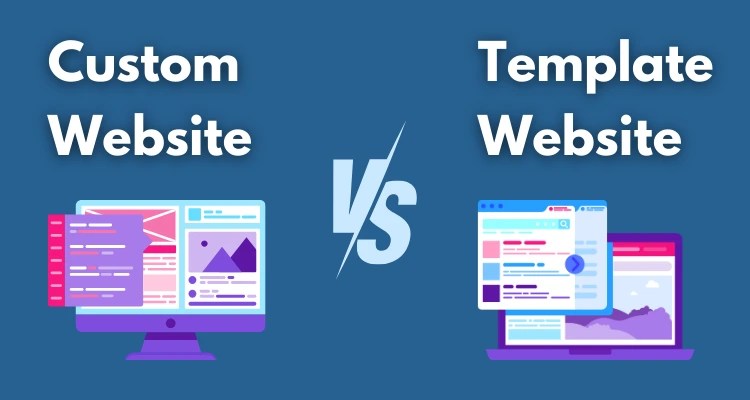
  • The Benefits of Custom Website Design vs. Templates

    In today’s digital-first world, having a website is no longer optional, it’s essential. Whether you’re a small business owner, an entrepreneur, or part of a large enterprise, your website is often the first interaction potential customers have with your brand. When it comes to building a website, businesses typically face two choices: using ready-made templates or investing in a custom website design. While templates are affordable and quick to set up, custom designs provide a unique, scalable, and performance-driven solution. To help you decide what’s best for your business, let’s dive into the benefits of custom website design compared to templates.

    Unique Branding and Personalization

    One of the most significant benefits of custom website design is the ability to create a unique brand identity. A custom design allows you to build a website that reflects your brand’s personality, values, and vision. From layout and color schemes to fonts and imagery, every detail can be tailored to match your brand guidelines.

    Templates, on the other hand, are often generic and widely used by many businesses. This lack of originality can make it difficult to stand out in a competitive market. Custom design ensures your website doesn’t just look like another template, it feels authentically yours.

    1.     Better User Experience (UX)

    User experience is a major factor in determining how visitors interact with your website. A custom website is built with your target audience in mind, focusing on their needs, preferences, and behaviors. Designers can create intuitive navigation, streamlined layouts, and personalized features that make the user journey smooth and engaging.

    Templates are built for mass use, meaning they often come with limitations in structure and functionality. This can lead to cluttered designs, slow loading times, or unnecessary features that frustrate users. With custom website design, you can optimize every element for maximum engagement and satisfaction. If you’re searching for skilled web designers in London, you’ll find experts who blend creativity with technical expertise to craft standout websites.

    2.     Scalability and Flexibility

    As your business grows, your website must evolve to meet new demands. Custom designs offer scalability and flexibility, allowing you to add features, update designs, or integrate advanced tools without restrictions. Whether you need e-commerce functionality, membership systems, or multilingual support, a custom site can adapt seamlessly.

    Templates, however, are often limited in customization. Adding advanced features may require extra plugins, which can slow down your site and create compatibility issues. A custom website provides the foundation for long-term growth and adaptability, making it a smarter investment for businesses with expansion in mind.

    3.     SEO Advantages

    Search Engine Optimization (SEO) is critical for driving organic traffic to your website. Custom website design is developed with SEO best practices in mind, ensuring faster load times, clean code, mobile responsiveness, and optimized site structure. Developers can also integrate advanced SEO features tailored to your business needs.

    Templates, in contrast, often come with bloated code, unnecessary scripts, and limited SEO flexibility. These issues can negatively impact your search engine rankings. By investing in a custom design, you gain a website that not only looks professional but also performs well in search results, giving you a competitive edge.

    4.     Stronger Security

    Cybersecurity is a growing concern for businesses of all sizes. Custom websites offer greater control over security features since they are built specifically for your needs. Developers can implement advanced security protocols, custom firewalls, and regular updates to minimize risks. Templates, especially free ones, may have vulnerabilities that hackers can exploit.

    Since templates are widely used, once a vulnerability is discovered, thousands of websites could be at risk. A custom website significantly reduces these risks by providing a secure, tailored solution that protects your data and your customers’ trust.

    5.     Optimized Performance

    Website performance, including speed and responsiveness, plays a vital role in user retention and SEO rankings. A custom-built website is optimized for performance from the ground up. Developers can eliminate unnecessary elements, optimize images, and use lightweight coding techniques to ensure your site loads quickly and functions seamlessly.

    Templates, however, often come loaded with features and plugins that you may not need, resulting in slower performance and higher bounce rates. With a custom design, every aspect is streamlined to prioritize performance, enhancing both user experience and search visibility. Professional web designers in London can help your business build a strong online presence that reflects your brand identity and attracts more customers.

    6.     Cost vs. Long-Term Value

    At first glance, templates may appear to be the cost-effective choice. They are inexpensive, quick to launch, and require minimal technical knowledge. However, the long-term value of a custom website design far outweighs the initial savings of a template.

    A custom design reduces dependency on third-party plugins, lowers the risk of downtime due to compatibility issues, and minimizes redesign costs in the future. Additionally, the SEO benefits, improved user engagement, and stronger brand identity lead to better ROI over time. Investing in a custom design is not just about building a website, it’s about building a sustainable digital presence.

    7.     Competitive Advantage

    In crowded industries, standing out is key. A custom website allows you to differentiate your brand from competitors who may be using the same templates. With personalized design elements, advanced functionality, and tailored content strategies, your website becomes a powerful tool for attracting and retaining customers.

    Templates limit how much you can differentiate yourself, often making websites look alike. A custom design ensures your business not only looks professional but also provides an unmatched digital experience that sets you apart from the competition.

    Conclusion

    When deciding between a template and a custom website design, the choice ultimately depends on your business goals. Templates may be suitable for startups or individuals seeking a quick and affordable solution. However, for businesses looking to build a strong brand identity, attract more customers, and achieve long-term growth, custom website design is the clear winner. It offers unique branding, scalability, better SEO, enhanced security, and optimized performance, all critical factors in today’s competitive online environment. By investing in a custom website, you’re not just creating a digital presence, you’re building a foundation for sustainable success.

  • Why Accessibility Should Be a Priority in Website Design

    In today’s digital-first world, your website is often the first touchpoint between your brand and potential customers. It serves as a storefront, a communication channel, and a platform for building trust. But while businesses focus on aesthetics, functionality, and search engine optimization, one essential aspect often gets overlooked, accessibility in website design.

    Accessibility ensures that a website can be used by everyone, including people with disabilities. Far from being just a legal requirement in many regions, it’s a moral, social, and business imperative. Let’s explore why accessibility should be at the forefront of your website design strategy in 2025 and beyond.

    1.     Creating Inclusive Digital Experiences

    At its core, accessibility is about inclusivity. Millions of people worldwide live with some form of disability, whether visual, auditory, cognitive, or motor-related. Without accessibility considerations, many of them face barriers to navigating a website, consuming content, or completing transactions.

    Features like screen-reader compatibility, keyboard navigation, text-to-speech options, and captions for videos can open doors for these users. By prioritizing accessibility, businesses signal that they value every individual equally and are committed to creating digital spaces that work for everyone. If you’re aiming to create a professional and user-friendly website, skilled web designers in London can craft solutions tailored to your business goals.

    2.     Accessibility Is a Legal Obligation

    Accessibility is not just a choice; it’s often the law. Many countries have regulations requiring businesses to ensure digital platforms are accessible. For instance, the Americans with Disabilities Act (ADA) in the U.S. and the Web Content Accessibility Guidelines (WCAG) globally provide standards that businesses must meet.

     Non-compliance can result in lawsuits, hefty fines, and reputational damage. By designing with accessibility in mind from the start, companies not only protect themselves legally but also demonstrate social responsibility.

    3.     Enhancing User Experience for All

    Accessibility features don’t just help people with disabilities; they often improve the experience for all users. Consider closed captions on videos. While they’re essential for users with hearing impairments, they also benefit people watching in noisy environments or those who prefer silent browsing.

    Similarly, larger fonts and clear color contrasts improve readability for everyone, not just those with visual difficulties. Accessibility measures like simplified navigation and logical content structure lead to smoother, faster browsing, creating a universally better user experience.

    4.     Boosting SEO and Search Engine Rankings

    Search engines reward websites that are easy to navigate and user-friendly. Many accessibility practices overlap directly with SEO best practices. For example:

    • Using descriptive alt text for images helps screen readers and also improves image SEO.
    • Clear heading structures (H1, H2, H3) make content more readable and also easier for search engines to index.
    • Fast-loading pages benefit users with slower internet connections and boost search rankings.

    By making your website more accessible, you’re also increasing its visibility and competitiveness in search results. In short, accessibility is not just good ethics, it’s good SEO.

    5.     Expanding Audience Reach

    When you design your website without accessibility in mind, you unintentionally exclude a large group of potential users. According to the World Health Organization (WHO), over 1.3 billion people worldwide live with some form of disability.

    That’s nearly 16% of the global population. By embracing accessible design, your business can reach a broader audience, creating opportunities for more leads, sales, and customer loyalty. In competitive industries, where every customer counts, accessibility can become a key differentiator.

    6.     Building Brand Reputation and Trust

    Modern consumers increasingly align with brands that embody inclusivity and social responsibility. When businesses prioritize accessibility, they show empathy, care, and awareness of diverse customer needs.

    This strengthens brand reputation and helps foster long-term trust. On the flip side, stories of inaccessible websites, especially when they lead to lawsuits can damage credibility and make a brand appear negligent. Being proactive with accessibility can set your business apart as a leader in ethics and customer care. Partnering with expert web designers in London ensures your site not only looks visually stunning but also delivers an engaging user experience.

    7.     Future-Proofing Your Website

    Technology is constantly evolving, and so are the expectations of users and regulators. By embedding accessibility principles into your design today, you’re preparing your website for the future. Devices like smart speakers, AI-driven assistants, and wearable technologies rely heavily on accessible content structures. Moreover, as accessibility standards become more stringent worldwide, early adoption ensures your website stays compliant and ready for changes in the digital landscape.

    8.     Practical Steps to Implement Accessibility

    If accessibility feels overwhelming, remember that it doesn’t have to be done overnight. Here are some practical steps businesses can take:

    • Follow WCAG guidelines: Use them as your roadmap for compliance.
    • Use alt text: Describe images meaningfully for screen readers.
    • Ensure keyboard navigation: Make sure users can navigate without a mouse.
    • Improve contrast ratios: Use color schemes that make text easy to read.
    • Add captions and transcripts: Provide them for audio and video content.
    • Test with assistive technologies: Tools like screen readers can highlight areas that need fixing.
    • Regular audits: Accessibility is not a one-time project but an ongoing process that requires updates as your site evolves.

    Conclusion

    Accessibility in website design is no longer optional, it’s essential. From creating inclusive experiences and complying with legal requirements to boosting SEO and strengthening brand trust, the benefits are far-reaching. By prioritizing accessibility, businesses not only meet the needs of people with disabilities but also create a better digital environment for everyone. In 2025 and beyond, companies that embrace accessible design will stand out as leaders in inclusivity, innovation, and user experience. Simply put, an accessible website is not just a good business decision, it’s the right thing to do.

  • What Are the Benefits of Redesigning Your Website in 2025?

    The digital world is constantly evolving, and businesses need to adapt if they want to remain competitive. In 2025, consumer expectations are higher than ever, and outdated websites simply cannot keep up with modern design standards, search engine requirements, or user experience needs.

    A website is more than just an online presence, it’s the digital face of your brand, and it can determine whether visitors become loyal customers or leave after a few seconds. This is why redesigning your website in 2025 can be one of the smartest investments you make. Let’s explore the key benefits that come with updating your website this year.

    1.     Improved User Experience (UX)

    User experience is at the core of website success. If visitors find your site difficult to navigate, cluttered, or outdated, they are likely to leave and turn to competitors. A redesign gives you the chance to rethink the customer journey, streamline navigation, and present information in a way that is intuitive and engaging.

    Features like simplified menus, responsive layouts, and clear calls-to-action (CTAs) ensure users can easily find what they’re looking for. In 2025, websites are expected to provide seamless experiences across all devices, and a redesign allows you to meet that standard.

    2.     Mobile-First Design and Responsiveness

    Mobile usage continues to dominate online activity. With Google’s mobile-first indexing, your website’s mobile version is the primary factor search engines use to rank your site. If your current website isn’t optimized for smartphones and tablets, you risk losing both visibility and traffic.

    A redesign in 2025 ensures your site is responsive, adapting flawlessly to all screen sizes. This not only enhances the user experience but also boosts your search engine rankings, as mobile-friendliness remains a critical ranking factor. If you’re looking to create a modern, user-friendly, and responsive website, professional web designers in London can help bring your vision to life.

    3.     Better Website Performance and Speed

    Website speed plays a huge role in keeping visitors engaged. Studies show that if a site takes more than three seconds to load, most users will abandon it. Older websites often struggle with outdated code, unoptimized images, and bulky plugins, all of which slow down performance.

    Redesigning your website allows you to modernize its framework, compress images, leverage Content Delivery Networks (CDNs), and streamline code. A faster, smoother site keeps users engaged longer and reduces bounce rates, which positively impacts your SEO performance as well.

    4.     Enhanced SEO Optimization

    Search engine algorithms are constantly changing, and strategies that worked a few years ago may no longer be effective. A redesign provides the opportunity to implement modern SEO best practices, including improved site architecture, keyword-optimized content, structured data, and internal linking strategies.

    By redesigning your site in 2025, you can also ensure proper use of schema markup, improve meta tags, and optimize for voice search queries—all of which play an increasingly important role in boosting search rankings.

    5.     Modern and Attractive Visual Appeal

    Design trends evolve quickly, and a website that looked modern three years ago may feel outdated today. In 2025, clean layouts, minimalist aesthetics, bold typography, and interactive elements are leading the way in web design.

    A redesign allows you to refresh your brand’s digital image, making your website more visually appealing to your target audience. An updated look not only builds credibility but also helps establish trust with visitors, showing them that your brand is professional and current.

    6.     Improved Security Features

    Cybersecurity threats are becoming more sophisticated every year, and older websites are especially vulnerable to attacks. Outdated plugins, themes, and code can leave your site exposed to hackers, putting both your business and your customers at risk.

    Redesigning your site gives you the chance to implement the latest security features, including HTTPS, stronger encryption, firewalls, and regular security patches. By investing in security during your redesign, you protect sensitive customer data and strengthen trust in your brand.

    7.     Integration of Advanced Technology

    The digital landscape in 2025 is shaped by emerging technologies such as AI-driven chatbots, personalization tools, and advanced analytics. A redesign gives you the chance to integrate these technologies seamlessly into your site.

    For example, you can add AI chatbots to provide instant customer support, implement personalized product recommendations, or use advanced tracking tools to better understand visitor behavior. These features not only improve user engagement but also help drive conversions and sales.

    8.     Increased Conversion Rates

    At the end of the day, your website’s main purpose is to convert visitors into customers. A redesign gives you the chance to optimize landing pages, improve CTAs, and streamline checkout processes for e-commerce sites.

    Modern design strategies focus on guiding users naturally toward conversion points. Whether that’s signing up for a newsletter, filling out a form, or making a purchase, a redesigned website ensures these actions are intuitive, quick, and user-friendly. If you want a website that reflects your brand identity and enhances user experience, skilled web designers in London can craft tailored solutions to meet your business needs

    9.     Stronger Brand Identity and Consistency

    Your website reflects your brand identity. If it’s outdated, inconsistent, or confusing, it can damage the perception of your business. A redesign in 2025 allows you to align your website with your current branding, ensuring consistency in colors, fonts, messaging, and visuals. This cohesive brand presence strengthens recognition and builds trust among your audience. In competitive industries, a strong brand identity can be the factor that sets you apart.

    10.Future-Proofing Your Online Presence

    Technology evolves rapidly, and websites built without scalability in mind quickly become obsolete. Redesigning your website allows you to build with the future in mind—using flexible platforms, scalable frameworks, and modern coding standards.

    This means your site will be easier to update, adapt, and expand as your business grows, saving time and money on future overhauls. Essentially, a 2025 redesign prepares your business for the digital demands of tomorrow.

    Final Thoughts

    In 2025, redesigning your website isn’t just about keeping up with design trends, it’s about staying competitive in a fast-moving digital world. From improved user experience and mobile responsiveness to enhanced SEO, security, and conversion rates, the benefits of a redesign extend far beyond aesthetics. Your website is often the first interaction potential customers have with your brand. By investing in a redesign, you ensure that this first impression is positive, professional, and impactful. A modern, well-optimized, and future-ready website can be the key to driving traffic, building trust, and ultimately, achieving long-term business success.

  • How Does Mobile-First Design Influence Search Engine Rankings?

    In today’s digital world, a website is often the first touchpoint between a business and its potential customers. With the majority of internet traffic now coming from smartphones and tablets, designing for mobile devices is no longer optional, it’s essential. This shift in user behavior has fundamentally changed the way search engines evaluate and rank websites. Google’s adoption of mobile-first indexing means that the mobile version of a website is now the primary reference point for determining rankings. Businesses that fail to prioritize mobile-first design risk losing visibility, traffic, and ultimately, customers. Understanding how mobile-first design influences search engine rankings is crucial for anyone looking to stay competitive in the digital landscape.

    What Is Mobile-First Design?

    Mobile-first design is an approach where websites are designed primarily for mobile devices before being adapted to larger screens like desktops. Instead of creating a desktop site and then trying to shrink it down for mobile, the mobile-first methodology ensures that the user experience on small screens is seamless and intuitive.

    This design philosophy focuses on responsive layouts, fast loading speeds, simplified navigation, and accessibility, all of which align closely with what search engines value in their ranking algorithms. Since mobile usage has surpassed desktop globally, search engines prioritize sites that cater effectively to mobile users.

    1.     The Shift to Mobile-First Indexing

    Google officially rolled out mobile-first indexing in 2018, marking a pivotal change in the SEO landscape. Under this system, Google primarily crawls and indexes the mobile version of a site’s content, rather than the desktop version. This means that if your mobile site is incomplete, slow, or poorly optimized, it directly affects how your site ranks in search results, even if your desktop version is flawless.

    Mobile-first indexing underscores Google’s commitment to providing the best possible user experience, and since most users are searching on mobile devices, it makes sense that search rankings are based on the mobile experience first. If you are struggling with low traffic or poor conversions, professional web designing services can transform your site into a powerful business tool.

    2.     Page Speed as a Ranking Factor

    One of the most critical elements of mobile-first design is page speed. Mobile users expect websites to load almost instantly, and any delay can cause them to abandon the site. Google recognizes this and uses page speed as an important ranking factor. A mobile-first site must be lightweight, with optimized images, minimal code, and efficient server responses.

    Slow-loading mobile sites not only frustrate users but also signal to search engines that the site does not provide a good experience, which can negatively impact rankings. Tools like Google PageSpeed Insights help identify and resolve issues that slow down mobile performance.

    3.     Responsive Design and User Experience

    Responsive design is a key principle of mobile-first development. It ensures that content adjusts automatically to fit different screen sizes and orientations. From a search engine’s perspective, responsive sites are easier to crawl and index because the same content is served across devices.

    From a user’s perspective, responsive design eliminates the need to zoom, pinch, or scroll horizontally, creating a more seamless browsing experience. Since Google places strong emphasis on user experience (UX) in its ranking criteria, websites that prioritize responsive, mobile-friendly layouts are rewarded with better visibility in search results.

    4.     Mobile Usability and Core Web Vitals

    Beyond responsive design, mobile usability plays a significant role in SEO rankings. Google’s Core Web Vitals, a set of metrics measuring aspects such as loading performance, interactivity, and visual stability, are critical ranking signals, particularly on mobile devices.

    If buttons are too small, text is difficult to read, or elements shift unexpectedly on a mobile screen, it diminishes the user experience. Search engines want to ensure that users find sites that are easy to use, which is why mobile usability issues often lead to lower rankings. Optimizing for Core Web Vitals is no longer just good practice; it’s essential for mobile-first SEO success.

    5.     Content Parity Between Mobile and Desktop

    One common mistake business make is offering less content on their mobile site compared to their desktop version. With mobile-first indexing, this can seriously harm rankings because Google primarily evaluates the mobile content.

     If important text, structured data, or meta tags are missing from the mobile version, it may appear to search engines that the content doesn’t exist at all. To maintain strong visibility, both mobile and desktop versions of a site should have consistent content, metadata, and structured markup. Ensuring parity across devices helps preserve rankings and prevents accidental SEO setbacks.

    6.     The Role of Mobile-Friendly Navigation

    Navigation is another aspect where mobile-first design significantly influences rankings. Mobile users typically navigate websites with their thumbs, which means menus must be simple, accessible, and easy to tap. Complicated navigation structures, excessive drop-down menus, or links that are too close together create frustration and increase bounce rates.

    Google monitors these signals closely because they reflect poor user satisfaction. A mobile-first site should emphasize clear calls-to-action, intuitive navigation bars, and touch-friendly buttons. When users can find what they need quickly, they spend more time on the site, which indirectly improves rankings through positive engagement signals.

    7.     Local SEO and Mobile-First Design

    Mobile-first design also has a direct impact on local SEO. A large percentage of mobile searches are location-based, with users looking for nearby businesses, services, or products. A mobile-friendly site with accurate business details, click-to-call functionality, and integration with Google Business Profile increases the chances of appearing in local search results.

    Since Google prioritizes mobile usability, businesses that optimize for mobile devices also improve their chances of showing up in the coveted “local pack.” This is especially crucial for small and medium-sized businesses that rely heavily on local traffic.

    8.     Mobile-First Design as a Competitive Advantage

    With search rankings increasingly tied to mobile performance, businesses that invest in mobile-first design gain a competitive edge. Sites that provide fast, responsive, and user-friendly mobile experiences are more likely to retain visitors, convert them into customers, and climb higher in search rankings.

    On the other hand, businesses that neglect mobile optimization risk being overshadowed by competitors who embrace it. Mobile-first design is no longer a trend but a standard, and search engines have made it clear that mobile usability directly correlates with visibility. If you are aiming to grow your brand online, choosing professional web designing services can help you create a website that stands out and delivers results.

    Final Thoughts

    The influence of mobile-first design on search engine rankings cannot be overstated. As more users access the internet through smartphones, search engines prioritize mobile experiences to deliver the best results. From page speed and responsive design to usability, navigation, and local optimization, every aspect of mobile-first design feeds into how a site ranks in search results. Businesses that adapt to this shift not only improve their visibility but also build stronger relationships with users by offering a seamless, enjoyable experience. In the competitive online world, adopting mobile-first design is not just about keeping up with search engine algorithms, it’s about meeting the expectations of modern users and ensuring long-term digital success.

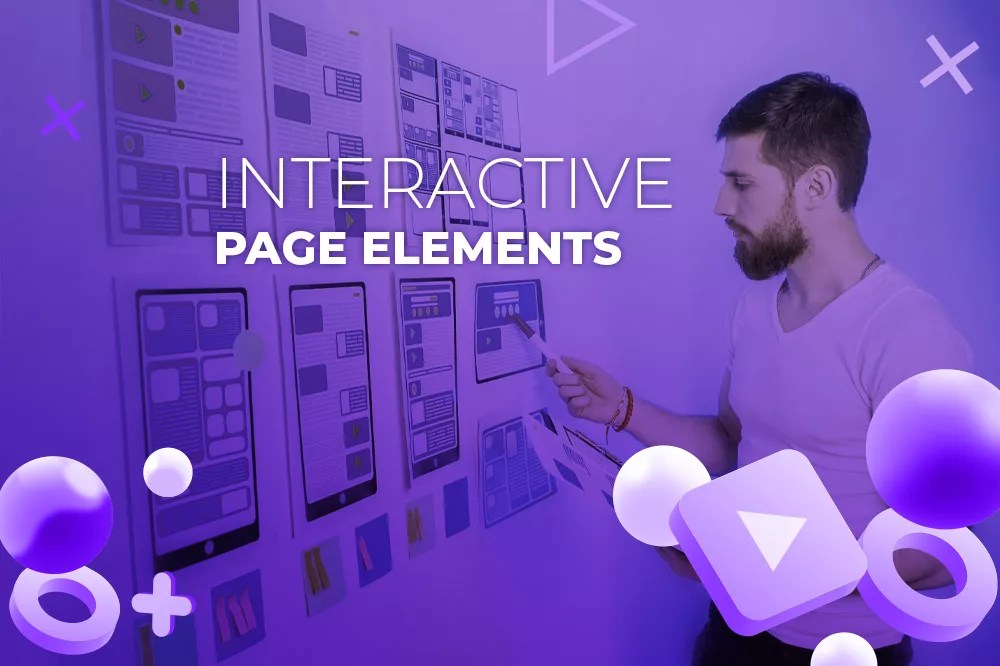
  • How Do Interactive Elements Enhance Modern Website Design?

    In the fast-paced digital world, websites are no longer just static pages with text and images. Today, user expectations are higher than ever, they want engaging, dynamic, and immersive experiences when browsing online. This is where interactive elements come into play. Interactive design goes beyond aesthetics; it creates meaningful connections with visitors, holds their attention, and encourages them to take desired actions. From animations to quizzes, chatbots, and clickable features, interactive elements have transformed modern website design into a powerful tool for engagement and conversions.

    1.     The Evolution of Website Design

    Website design has come a long way from the simple, text-heavy pages of the early internet. In the past, functionality often took precedence over creativity, but modern users now expect a perfect blend of design and usability. Static websites can appear dull and outdated, while interactive websites feel alive and responsive. The rise of responsive design, combined with advanced coding techniques and user experience (UX) strategies, has made it possible for businesses to integrate interactive features that capture attention and drive results.

    2.     Making User Experience More Engaging

    The primary goal of interactive elements is to make user experience engaging. For example, instead of scrolling through long walls of text, visitors can interact with sliders, hover effects, or clickable tabs to uncover information. This not only keeps users entertained but also helps them retain information more effectively.

    Engagement leads to longer session times, which signals search engines that your website is valuable, improving your SEO rankings in the process. If you are searching for professional web designers who can blend creativity with functionality, our team ensures your website stands out and engages your audience effectively.

    3.     Encouraging Active Participation

    Interactive design encourages users to actively participate rather than passively consume information. Features such as polls, surveys, quizzes, and calculators allow visitors to contribute their input. For instance, an online clothing store might include a “Style Quiz” that recommends outfits based on customer preferences. This active involvement not only makes the user feel valued but also increases the likelihood of conversion, as customers receive tailored experiences.

    4.     Building Stronger Emotional Connections

    A website is often the first point of contact between a brand and its audience. Interactive elements help businesses establish stronger emotional connections with visitors. Storytelling through animations, immersive scrolling effects, or video backgrounds can create memorable brand experiences. When users feel emotionally connected, they are more likely to trust the brand, engage with its content, and return in the future.

    5.     Improving Navigation and Accessibility

    One of the most practical advantages of interactive elements is improving navigation. Traditional drop-down menus are being replaced by more innovative options such as mega menus, interactive maps, and expandable sections. These features make it easier for users to find what they need quickly. Additionally, elements like chatbots or guided product tours provide instant assistance, ensuring that no user feels lost on your site. By simplifying navigation, businesses can reduce bounce rates and enhance customer satisfaction.

    6.     Boosting Conversion Rates

    At the end of the day, every website has goals, whether that’s sales, subscriptions, or lead generation. Interactive elements can directly boost conversion rates by guiding users through the decision-making process. For example, call-to-action (CTA) buttons with hover effects draw more attention. Interactive product demos or 360-degree product views allow customers to explore offerings in detail, increasing purchase confidence. Even small details like a progress bar in a sign-up form can encourage users to complete the process instead of abandoning it midway.

    7.     Personalizing User Experiences

    Modern consumers crave personalization, and interactive elements are the perfect tools to deliver it. Dynamic content that changes based on user input, such as location, browsing history, or behavior creates a more customized experience. For instance, travel websites often use interactive maps to suggest destinations based on where the visitor is browsing from. Similarly, AI-powered chatbots provide tailored responses, making users feel that the website truly understands their needs.

    8.     Enhancing Mobile Friendliness

    With the majority of users now browsing on mobile devices, interactive elements have become crucial for mobile-friendly design. Features like swipeable image galleries, collapsible menus, and voice-activated search enhance usability on smaller screens. Interactive design also ensures consistency across devices, making the website equally engaging on smartphones, tablets, and desktops. This mobile adaptability improves both user satisfaction and search engine rankings. Partnering with professional web designers allows you to create a website that not only looks visually appealing but also delivers a seamless user experience across all devices

    9.     Increasing Shareability and Social Engagement

    Interactive elements also encourage users to share their experiences. Quizzes, polls, or gamified content often have high shareability because people love showcasing their results or opinions on social media. By incorporating interactive features with social sharing options, businesses can expand their online reach and attract new audiences. This organic promotion is more authentic and effective than traditional advertising.

    10.Supporting Data Collection and Insights

    Another significant benefit of interactive elements is their role in data collection. Features like quizzes, surveys, and interactive forms help businesses gather valuable insights into user behavior, preferences, and demographics. This data can be used to refine marketing strategies, improve product offerings, and personalize future customer interactions. At the same time, users don’t feel like they’re filling out boring forms, they’re engaging in enjoyable activities.

    11.The Balance Between Functionality and Overload

    While interactive elements bring numerous benefits, it’s essential to strike a balance. Overloading a website with animations, pop-ups, and flashy features can overwhelm users and slow down page loading speed. Modern web design focuses on purposeful interactivity, only adding elements that enhance user experience and align with business goals. When implemented strategically, interactivity becomes a powerful tool rather than a distraction.

    12.Future of Interactive Website Design

    The future of web design is moving toward even more advanced interactive features. Virtual reality (VR), augmented reality (AR), and AI-driven interactions are becoming increasingly popular. For instance, AR tools allow customers to “try on” products virtually, while VR can offer immersive brand experiences. As technology evolves, interactive elements will continue to redefine how businesses engage with audiences online.

    Conclusion

    Interactive elements are no longer optional, they are essential for modern website design. They transform static pages into engaging, dynamic experiences that capture attention, enhance usability, and encourage conversions. From improving navigation to building emotional connections and boosting personalization, interactivity helps businesses stay ahead in the competitive digital landscape. By adopting a thoughtful, balanced approach, brands can create websites that not only look appealing but also deliver meaningful, interactive experiences to every visitor.

  • How Can Minimalist Website Design Improve User Engagement?

    In the fast-paced digital world, users make quick judgments about websites. A cluttered layout, too many elements, or distracting features can easily overwhelm visitors, leading to higher bounce rates and lost opportunities. This is why many businesses and designers are turning to minimalist website design as a solution.

    Minimalism focuses on simplicity, clarity, and functionality, removing unnecessary elements so that the essential parts of a website stand out. More than just a design trend, minimalist design has proven to significantly improve user engagement by creating intuitive and enjoyable browsing experiences. Let’s explore how minimalist website design enhances engagement and why it matters for modern businesses.

    What Is Minimalist Website Design?

    Minimalist website design is an approach that emphasizes simplicity, clean layouts, and the use of only essential elements. Instead of filling a page with excessive graphics, text, or colors, minimalism relies on whitespace, clear typography, and straightforward navigation. The goal is to guide users’ attention toward the most important aspects of the site, whether that’s content, products, or calls-to-action.

    A minimalist design does not mean boring or empty. Instead, it prioritizes function and clarity, ensuring users can quickly find what they’re looking for without distractions.

    1.     Enhances User Focus

    One of the most significant benefits of minimalist design is that it directs attention where it matters most. When websites are cluttered, visitors often struggle to identify the main message or call-to-action. By removing unnecessary elements and emphasizing simplicity, minimalist websites allow users to focus on core offerings.

    For instance, an e-commerce store with a clean design highlights its featured products, while a service-based website draws attention to its contact or booking options. This focus ultimately leads to higher engagement, as users are less distracted and more likely to take action. If you want to create a visually stunning and user-friendly site, hiring professional web designers ensures your brand stands out online.

    2.     Improves Website Speed and Performance

    Website performance plays a critical role in user engagement. Slow-loading websites often frustrate visitors, causing them to leave before fully exploring. Minimalist website design reduces the number of heavy elements, such as large images, complex animations or excessive scripts, which leads to faster load times.

    A fast, responsive website ensures users can navigate smoothly, browse content effortlessly, and complete actions without delays. This enhanced performance not only boosts engagement but also improves SEO rankings, since search engines reward websites with better speed and usability.

    3.     Creates a Clean and Professional Appearance

    First impressions matter, especially online. A minimalist design conveys professionalism and trustworthiness by presenting information clearly and elegantly. Users are more likely to engage with a website that feels modern, polished, and uncluttered.

    Brands like Apple and Google have successfully implemented minimalist design principles, creating sleek, easy-to-use interfaces that resonate with users. By presenting your brand in a simple and professional manner, you build credibility and encourage visitors to stay longer and interact with your site.

    4.     Strengthens Mobile User Experience

    With most users now browsing websites on mobile devices, responsive and user-friendly design is essential. Minimalist websites adapt seamlessly to smaller screens because they contain fewer elements that need resizing or repositioning.

    A simplified layout ensures buttons, menus, and calls-to-action remain accessible on all devices. This ease of use encourages mobile users to stay engaged longer, whether they are reading blog content, browsing products, or making purchases. A better mobile experience directly translates into higher engagement rates and stronger conversions.

    5.     Highlights Calls-to-Action (CTAs)

    Calls-to-action are critical for driving conversions, whether it’s encouraging users to sign up, purchase, or get in touch. On cluttered websites, CTAs can easily get lost among other elements. Minimalist design ensures CTAs stand out by removing distractions and creating visual emphasis.

    For example, a bold “Shop Now” button on a clean white background draws immediate attention. This clarity helps users quickly identify the next step they should take, which improves engagement and conversion rates.

    6.     Encourages Content Consumption

    Minimalist design pairs well with high-quality content. When the design is clean and simple, users are more likely to read blog posts, watch videos, or explore product details without feeling overwhelmed. Clear typography, sufficient whitespace, and straightforward layouts enhance readability, making it easier for visitors to consume and retain information.

    For businesses that rely on content marketing, this improved readability ensures audiences stay engaged with your content longer, leading to higher dwell times and stronger brand connections.

    7.     Reduces Cognitive Overload

    Cognitive overload occurs when users are presented with too much information at once, making it difficult for them to process and make decisions. A minimalist website reduces this mental strain by presenting only the most important information in a structured way.

    By keeping design simple and intuitive, users can navigate effortlessly and make decisions without confusion. This reduced friction creates a positive user experience that encourages repeat visits and long-term engagement.

    8.     Increases Accessibility and Usability

    Minimalist websites often follow clear design structures, which improves accessibility for all types of users, including those with disabilities. Simpler navigation, larger fonts, and high-contrast color schemes make websites more inclusive and easier to use.

    When users of all abilities can comfortably interact with your website, engagement naturally increases. Accessibility not only benefits users but also enhances your brand reputation and ensures compliance with web accessibility standards.

    9.     Aligns with Modern User Preferences

    Today’s internet users value efficiency and simplicity. They prefer websites that quickly provide the information or services they need without unnecessary clutter. Minimalist design aligns with these preferences, offering a straightforward experience that resonates with modern audiences.

    By keeping up with these user expectations, businesses create a sense of relevance and connection with their audience, which fosters stronger engagement and brand loyalty. With the expertise of professional web designers in London, your website can achieve the perfect balance of aesthetics, functionality, and performance.

    Conclusion

    Minimalist website design is much more than a visual choice; it is a powerful strategy for improving user engagement. By simplifying layouts, reducing distractions, and enhancing usability, minimalism allows visitors to focus on what truly matters. It improves speed, highlights calls-to-action, strengthens mobile experience, and creates a professional image that builds trust. In a digital landscape where users demand efficiency and clarity, adopting a minimalist approach ensures your website stands out for the right reasons. Ultimately, minimalism not only enhances engagement but also supports better conversions and long-term business success.

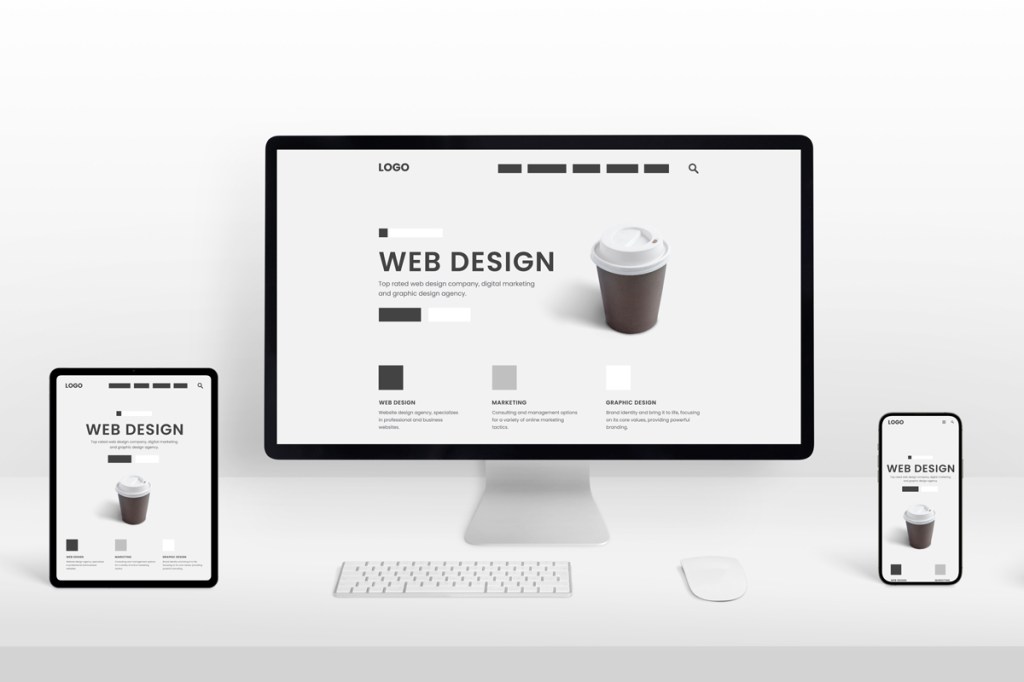
  • Why Is Responsive Web Design Essential for Modern Businesses?

    In today’s digital-first world, a business’s website is often its most powerful marketing tool. Customers no longer rely solely on traditional advertising to discover brands, they turn to online searches, mobile browsing, and social media links. But here’s the catch: people access the internet on a wide variety of devices, from desktops and laptops to tablets and smartphones. This shift in user behavior makes responsive web design more important than ever for modern businesses.

    Responsive web design is the practice of creating a single website that automatically adjusts its layout, content, and functionality based on the device being used. Whether a visitor accesses the site from a smartphone, tablet, or desktop computer, the experience remains smooth, consistent, and user-friendly. For businesses, adopting responsive design is no longer just an option, it has become essential for growth, visibility, and customer satisfaction.

    1.     Meeting the Needs of Mobile Users

    One of the biggest reasons responsive web designs is essential is the rise of mobile usage. Today, more than half of global website traffic comes from mobile devices, and this number continues to grow. If a business’s website is not mobile-friendly, it risks alienating a large percentage of its audience.

    A responsive website ensures that users don’t have to pinch, zoom, or scroll awkwardly to view content. Instead, text adjusts to screen size, images resize automatically, and navigation remains intuitive. By meeting the needs of mobile users, businesses can reduce bounce rates and keep visitors engaged longer, which directly impacts sales and conversions.

    2.     Boosting SEO Performance

    Responsive design doesn’t just improve user experience, it also enhances search engine rankings. Google has made mobile-friendliness a ranking factor, meaning websites that are not optimized for mobile devices may rank lower in search results. A responsive website consolidates all your content under a single URL, making it easier for search engines to crawl, index, and understand.

    Additionally, having one website instead of separate mobile and desktop versions reduces the risk of duplicate content, strengthens domain authority, and improves overall SEO performance. For modern businesses competing in crowded markets, this SEO boost can make a huge difference in visibility and lead generation. Choosing the right web design company ensures your brand stands out with a site that is visually stunning, user-friendly, and optimized for performance.

    3.     Enhancing User Experience

    User experience (UX) is at the heart of responsive design. A business can have the most visually stunning website, but if users struggle to navigate it on their phones, they are unlikely to return. Responsive web design creates a seamless browsing experience across devices, ensuring consistency in branding and usability.

    For example, a customer browsing products on their smartphone should be able to add items to their cart easily, just as they would on a desktop. Smooth navigation, fast-loading images, and intuitive layouts enhance the customer journey and encourage repeat visits. Businesses that prioritize responsive design demonstrate that they value their customers’ time and experience, which strengthens trust and loyalty.

    4.     Increasing Conversion Rates

    A responsive website directly impacts conversion rates. Studies show that users are more likely to complete purchases or fill out forms on mobile-friendly websites. Friction points, such as hard-to-click buttons, cluttered layouts, or slow-loading pages, often lead to abandoned carts or missed opportunities.

    By ensuring that all elements of a website adapt to different devices, businesses can create clear calls to action, easy-to-use forms, and streamlined checkout processes. This not only improves conversion rates but also maximizes return on investment (ROI) from digital marketing campaigns, as users can complete their journey without interruption.

    5.     Saving Time and Reducing Costs

    In the past, businesses often created two separate websites, one for desktop users and one for mobile users. While this approach worked for a while, it quickly became costly and inefficient. Managing two websites meant double the maintenance, updates, and resources.

    Responsive web design eliminates this problem by creating a single site that adapts to all devices. This reduces development costs, simplifies updates, and ensures consistency across platforms. In the long run, businesses save both time and money while delivering a unified brand experience to their customers.

    6.     Staying Ahead of Competitors

    Modern businesses operate in highly competitive markets where small advantages can make a big difference. Having a responsive website is no longer just a “nice-to-have”, it’s a competitive necessity. Customers expect businesses to provide smooth mobile experiences, and companies that fail to do so risk losing potential clients to competitors who do.

    By adopting responsive web design, businesses position themselves as modern, customer-centric, and forward-thinking. A responsive website not only enhances credibility but also signals professionalism, which can help attract and retain more customers in a crowded marketplace.

    7.     Future-Proofing Your Website

    Technology evolves rapidly, and new devices with different screen sizes and resolutions are constantly being introduced. A responsive design future-proofs a business’s website by ensuring it adapts to changes without requiring a complete redesign. Instead of rebuilding a site every time a new device enters the market, businesses with responsive websites can rest assured that their design will remain functional and visually appealing.

    This adaptability gives businesses the flexibility to scale and grow without worrying about technological limitations. It also ensures that their website continues to deliver value as customer behavior and technology trends evolve.

    8.     Building Trust and Credibility

    First impressions matter, especially online. A poorly designed website that looks outdated or performs poorly on mobile devices can damage a company’s credibility. Customers often associate the quality of a website with the quality of a business’s products or services.

    A responsive website that looks professional and works flawlessly on all devices communicates reliability, trustworthiness, and attention to detail. For modern businesses, building credibility online is essential for long-term success, and responsive design plays a central role in achieving this. Our web design company specializes in creating modern, responsive websites that blend creativity with functionality to help your business grow online.

    Conclusion

    Responsive web design is no longer optional; it is essential for modern businesses that want to thrive in a digital-first world. From improving user experience and boosting SEO to saving costs and increasing conversions, the benefits of responsive design are undeniable. Businesses that invest in responsive websites not only meet the expectations of today’s mobile-savvy users but also position themselves for long-term growth and competitiveness. In a marketplace where customers have endless choices, a responsive website can be the deciding factor that sets your business apart. By balancing aesthetics, functionality, and adaptability, responsive web design ensures your digital presence is strong, effective, and future-proof.

Design a site like this with WordPress.com
Get started