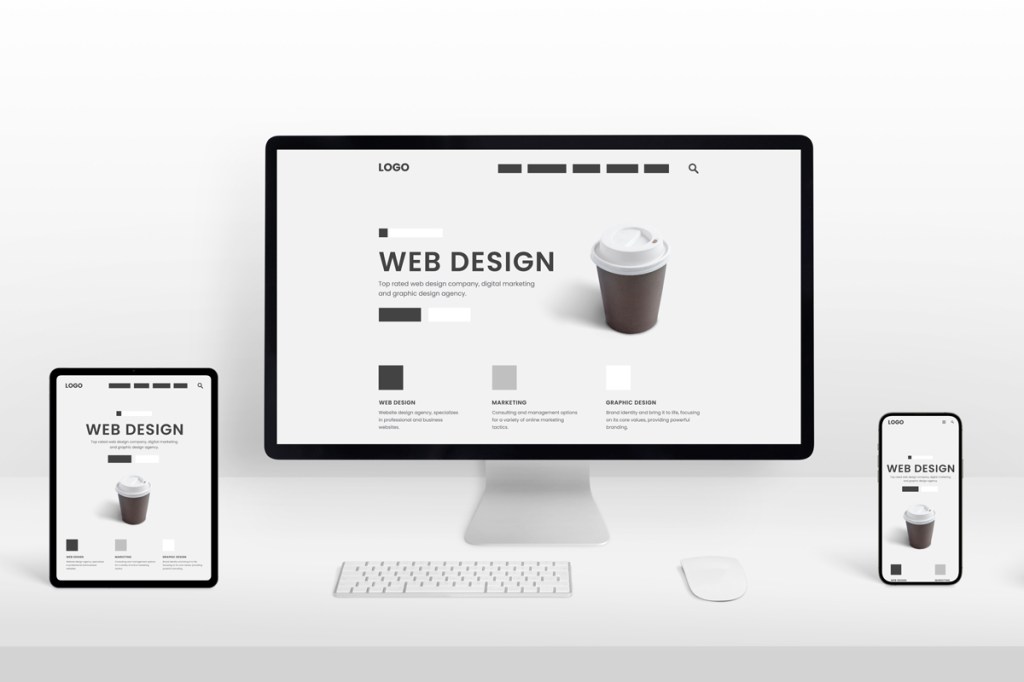
In the fast-paced digital world, users make quick judgments about websites. A cluttered layout, too many elements, or distracting features can easily overwhelm visitors, leading to higher bounce rates and lost opportunities. This is why many businesses and designers are turning to minimalist website design as a solution.
Minimalism focuses on simplicity, clarity, and functionality, removing unnecessary elements so that the essential parts of a website stand out. More than just a design trend, minimalist design has proven to significantly improve user engagement by creating intuitive and enjoyable browsing experiences. Let’s explore how minimalist website design enhances engagement and why it matters for modern businesses.
What Is Minimalist Website Design?
Minimalist website design is an approach that emphasizes simplicity, clean layouts, and the use of only essential elements. Instead of filling a page with excessive graphics, text, or colors, minimalism relies on whitespace, clear typography, and straightforward navigation. The goal is to guide users’ attention toward the most important aspects of the site, whether that’s content, products, or calls-to-action.
A minimalist design does not mean boring or empty. Instead, it prioritizes function and clarity, ensuring users can quickly find what they’re looking for without distractions.
1. Enhances User Focus
One of the most significant benefits of minimalist design is that it directs attention where it matters most. When websites are cluttered, visitors often struggle to identify the main message or call-to-action. By removing unnecessary elements and emphasizing simplicity, minimalist websites allow users to focus on core offerings.
For instance, an e-commerce store with a clean design highlights its featured products, while a service-based website draws attention to its contact or booking options. This focus ultimately leads to higher engagement, as users are less distracted and more likely to take action. If you want to create a visually stunning and user-friendly site, hiring professional web designers ensures your brand stands out online.
2. Improves Website Speed and Performance
Website performance plays a critical role in user engagement. Slow-loading websites often frustrate visitors, causing them to leave before fully exploring. Minimalist website design reduces the number of heavy elements, such as large images, complex animations or excessive scripts, which leads to faster load times.
A fast, responsive website ensures users can navigate smoothly, browse content effortlessly, and complete actions without delays. This enhanced performance not only boosts engagement but also improves SEO rankings, since search engines reward websites with better speed and usability.
3. Creates a Clean and Professional Appearance
First impressions matter, especially online. A minimalist design conveys professionalism and trustworthiness by presenting information clearly and elegantly. Users are more likely to engage with a website that feels modern, polished, and uncluttered.
Brands like Apple and Google have successfully implemented minimalist design principles, creating sleek, easy-to-use interfaces that resonate with users. By presenting your brand in a simple and professional manner, you build credibility and encourage visitors to stay longer and interact with your site.
4. Strengthens Mobile User Experience
With most users now browsing websites on mobile devices, responsive and user-friendly design is essential. Minimalist websites adapt seamlessly to smaller screens because they contain fewer elements that need resizing or repositioning.
A simplified layout ensures buttons, menus, and calls-to-action remain accessible on all devices. This ease of use encourages mobile users to stay engaged longer, whether they are reading blog content, browsing products, or making purchases. A better mobile experience directly translates into higher engagement rates and stronger conversions.
5. Highlights Calls-to-Action (CTAs)
Calls-to-action are critical for driving conversions, whether it’s encouraging users to sign up, purchase, or get in touch. On cluttered websites, CTAs can easily get lost among other elements. Minimalist design ensures CTAs stand out by removing distractions and creating visual emphasis.
For example, a bold “Shop Now” button on a clean white background draws immediate attention. This clarity helps users quickly identify the next step they should take, which improves engagement and conversion rates.
6. Encourages Content Consumption
Minimalist design pairs well with high-quality content. When the design is clean and simple, users are more likely to read blog posts, watch videos, or explore product details without feeling overwhelmed. Clear typography, sufficient whitespace, and straightforward layouts enhance readability, making it easier for visitors to consume and retain information.
For businesses that rely on content marketing, this improved readability ensures audiences stay engaged with your content longer, leading to higher dwell times and stronger brand connections.
7. Reduces Cognitive Overload
Cognitive overload occurs when users are presented with too much information at once, making it difficult for them to process and make decisions. A minimalist website reduces this mental strain by presenting only the most important information in a structured way.
By keeping design simple and intuitive, users can navigate effortlessly and make decisions without confusion. This reduced friction creates a positive user experience that encourages repeat visits and long-term engagement.
8. Increases Accessibility and Usability
Minimalist websites often follow clear design structures, which improves accessibility for all types of users, including those with disabilities. Simpler navigation, larger fonts, and high-contrast color schemes make websites more inclusive and easier to use.
When users of all abilities can comfortably interact with your website, engagement naturally increases. Accessibility not only benefits users but also enhances your brand reputation and ensures compliance with web accessibility standards.
9. Aligns with Modern User Preferences
Today’s internet users value efficiency and simplicity. They prefer websites that quickly provide the information or services they need without unnecessary clutter. Minimalist design aligns with these preferences, offering a straightforward experience that resonates with modern audiences.
By keeping up with these user expectations, businesses create a sense of relevance and connection with their audience, which fosters stronger engagement and brand loyalty. With the expertise of professional web designers in London, your website can achieve the perfect balance of aesthetics, functionality, and performance.
Conclusion
Minimalist website design is much more than a visual choice; it is a powerful strategy for improving user engagement. By simplifying layouts, reducing distractions, and enhancing usability, minimalism allows visitors to focus on what truly matters. It improves speed, highlights calls-to-action, strengthens mobile experience, and creates a professional image that builds trust. In a digital landscape where users demand efficiency and clarity, adopting a minimalist approach ensures your website stands out for the right reasons. Ultimately, minimalism not only enhances engagement but also supports better conversions and long-term business success.
 London Web designer Site
Leave a comment