London Web designer Site
Web design, SEO, Devrlopments, Digital MArketing
Category: Uncategorized
-
In the modern digital landscape, users access websites from a variety of devices, including desktops, laptops, tablets, and smartphones. A fully responsive website ensures that your site adapts seamlessly to any screen size, providing a consistent and user-friendly experience. Responsive design not only improves user engagement but also positively impacts SEO, as search engines like…
-
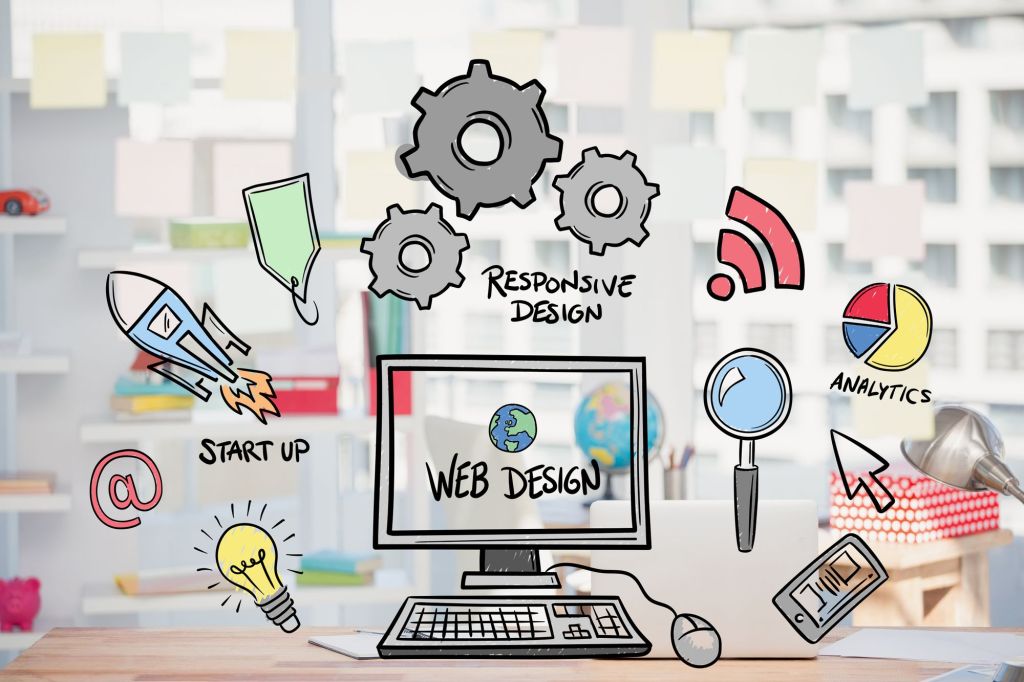
User experience (UX) design is the backbone of a successful website. When visitors land on a site, they expect clarity, speed, simplicity, and value. A well-designed user experience ensures that users can navigate effortlessly, find what they need, and feel confident engaging with your brand. Whether you are building a brand-new platform or improving an…
-
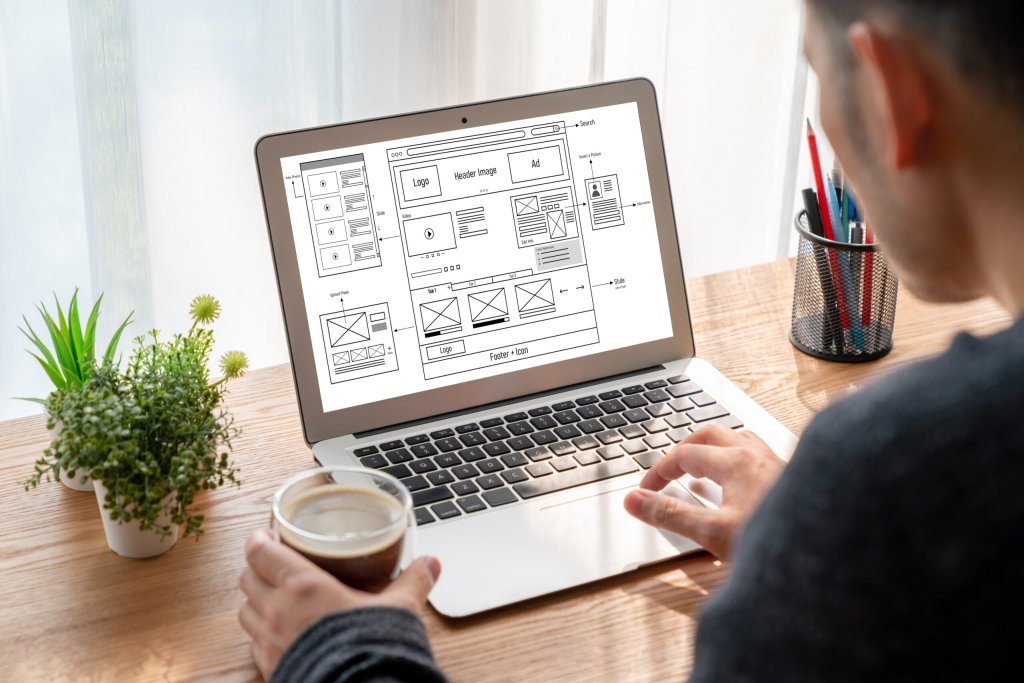
In today’s digital world, users access websites from countless devices, smartphones, tablets, laptops, desktop monitors, and even smart TVs. With this diversity, responsive design is no longer optional. It is the foundation of a seamless user experience. At the heart of responsive design lies one of the most powerful techniques: fluid grids. Unlike fixed-width layouts,…
-
White space, often misunderstood as “empty space” is one of the most powerful design tools in modern web design. Also known as negative space, it refers to the areas of a webpage that are left unmarked, such as margins, paddings, spaces between text, visuals, and layout sections. While it may appear minimal or unused at…
-
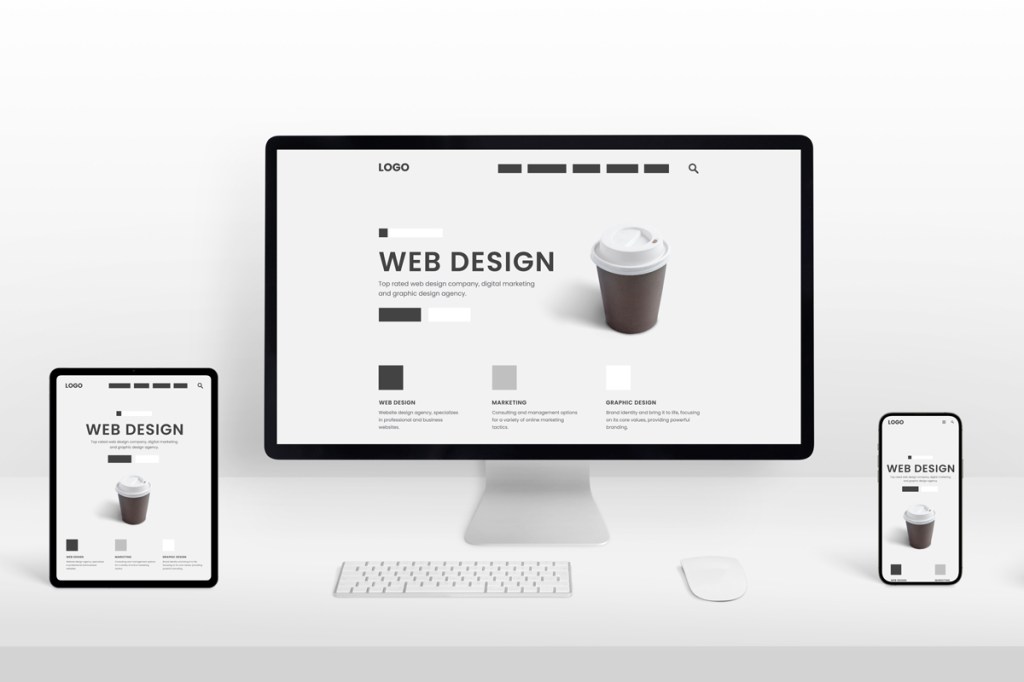
A well-designed website is more than just colors, fonts, and images, it’s the arrangement of these elements that creates a harmonious, easy-to-navigate experience for users. Grids and layouts are essential tools in web design that help structure content, maintain visual balance, and guide users’ attention. Using grids effectively ensures that your website not only looks…
-
Color plays a far more powerful role in web design than most people realize. While layout, typography, and content shape the structure of a website, color is what influences emotions, guides attention, and often determines whether a user stays, clicks, or converts. This is where color psychology becomes an essential design tool. By understanding how…
-
Creating an accessible website is no longer optional, it’s a responsibility and a competitive advantage. Today’s digital world is built for everyone, including users with disabilities who rely on specific tools or features to navigate online. Accessibility ensures that every visitor can access, understand, and interact with your content without barriers. Beyond inclusivity, accessible websites…
-
A high-converting landing page has the power to turn casual visitors into loyal customers, subscribers, or leads. Whether you are promoting a product, offering a free trial, or collecting sign-ups, your landing page must be strategically designed to guide users toward action. In today’s digital world, competition is high, and users make decisions in seconds.…
-

Navigation is one of the most critical elements of website design. It determines how easily users can find the information they are looking for, and it directly impacts user experience (UX), engagement, and conversion rates. Poor navigation can frustrate visitors, increase bounce rates, and ultimately affect your website’s performance. Designing intuitive navigation ensures that users…
-
In today’s fast-paced digital world, users expect websites to load almost instantly. Studies show that even a one-second delay in page load time can reduce conversions and increase bounce rates. A fast-loading website not only enhances user experience but also improves search engine rankings. Whether you’re a web designer, developer, or business owner, optimizing website…
 London Web designer Site