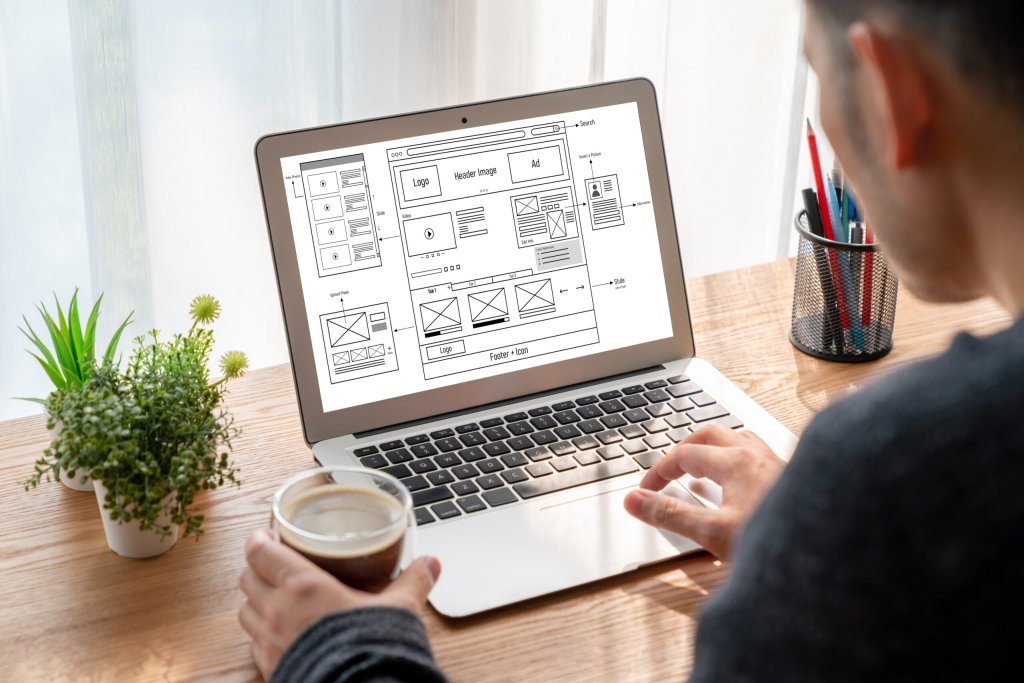
A high-converting landing page has the power to turn casual visitors into loyal customers, subscribers, or leads. Whether you are promoting a product, offering a free trial, or collecting sign-ups, your landing page must be strategically designed to guide users toward action. In today’s digital world, competition is high, and users make decisions in seconds. This means your landing page needs the right mix of clarity, visuals, trust signals, and usability to maximize conversions. Here are 8 powerful ways to design landing pages that drive high conversions, along with insight on why each step matters and how to implement it effectively.
1. Create a Clear and Compelling Headline
Your headline is the first thing users see, and it determines whether they will stay or leave. A high-converting landing page begins with a headline that is clear, direct, and benefit-oriented. Instead of simply stating what your product or offer is, focus on highlighting what the user will gain.
For example, “Boost Your Website Traffic in 30 Days” is stronger than “Marketing Software Tool.” A good headline should instantly communicate value and relevance. Also, avoid vague or overly creative wording that may confuse readers. Supporting your headline with a concise subheading can further reinforce your core message and provide clarity within seconds. Partnering with experienced web designers in London can help you build landing pages that not only look stunning but also convert visitors effectively.
2. Use a Clean and Minimalist Layout
A cluttered landing page overwhelms visitors and makes it difficult for them to understand what action you want them to take. A minimalist layout, on the other hand, uses space strategically to draw attention to the most important elements, your headline, value proposition, visuals, and call-to-action.
Make sure the design is easy to scan, with each section clearly separated and organized. Avoid unnecessary widgets, long paragraphs, or too many competing buttons. Clean design enhances readability, improves user experience, and keeps the focus where it matters most: conversion. Think of every unnecessary element as a distraction that could potentially lower your conversion rate.
3. Highlight a Strong and Benefit-Focused Value Proposition
Your value proposition is the heart of your landing page. It tells users why they should choose your offer over others and what unique benefits they will receive. High-converting landing pages clearly explain how the product or service solves a problem or improves the user’s life.
This can be conveyed through short paragraphs, bullet points, or bold statements that make your value unmistakable. Avoid focusing only on features; instead, translate features into user benefits. For example, rather than saying “Includes automation tools,” phrase it as “Save hours each week with built-in automation.” When users can immediately see what’s in it for them, conversion rates increase significantly.
4. Add a Prominent and Action-Oriented CTA
Your call-to-action (CTA) is the conversion trigger. It needs to be visually noticeable and compelling enough to persuade visitors to act. The CTA should use action-driven, specific language such as “Get Started,” “Download Free Guide,” or “Start Your Free Trial.” The placement of the CTA is equally important, keep your primary button above the fold so users can see it without scrolling.
You can also include secondary CTAs further down the page for users who need more information before taking action. Make sure the button color stands out from the rest of the page but still aligns with your design theme. A strong CTA should eliminate confusion and make it clear what the next step is.
5. Use High-Quality Visuals That Reinforce the Message
Visuals play a major role in shaping user perception. Whether you use images, illustrations, or videos, they should support and enhance your message. For product-based landing pages, high-quality images showcasing real usage help users visualize the product better. For service-based pages, illustrations or explainer videos can simplify complex concepts and make the offer more relatable.
Avoid generic stock photos that add no value or create distrust. Instead, opt for visuals that highlight benefits, demonstrate results, or create an emotional connection. When visuals complement the written content, users find the page more engaging and trustworthy, increasing the likelihood of conversion.
6. Build Trust Through Social Proof
In a world filled with choices, users naturally seek reassurance before making a decision. This is why social proof is a powerful element in increasing conversions. Testimonials, customer reviews, ratings, logos of trusted clients, or case studies help build credibility. They show that real people have used and benefited from your product or service.
Displaying social proof near your CTA or value proposition can significantly improve user confidence. Additionally, including badges like “Trusted by 10,000+ users” or “Featured in Top Tech Publications” adds another credibility layer. When visitors see that others trust your brand, they feel more comfortable taking action themselves.
7. Ensure Mobile Responsiveness and Fast Load Times
With a majority of users accessing websites through mobile devices, your landing page must be fully responsive. A page that does not display properly on smaller screens leads to frustration and instant abandonment. Make sure the layout adjusts seamlessly, buttons are large enough to tap, and text remains easy to read.
Additionally, fast load times are essential. A slow page can drastically lower conversion rates, as users often leave if the page takes more than a few seconds to load. Optimizing images, reducing script size, and using efficient coding practices ensure your landing page performs smoothly across all devices.
8. Test and Refine Through A/B Testing
High-converting landing pages are rarely created on the first attempt. Continuous testing and refinement are crucial for long-term success. A/B testing allows you to compare different versions of your headline, CTA, visuals, form length, or layout to see which performs better. Even small changes can have a big impact on conversions. For example, switching a CTA color or rewriting a headline can result in significantly higher engagement.
Track user behavior through heatmaps, analytics, and conversion tracking tools to understand what works and what doesn’t. Regular optimization ensures your landing page remains effective as user behavior and market trends evolve. Skilled web designers in London understand modern user behavior and create layouts that enhance engagement, trust, and overall conversion rates.
Conclusion
Designing landing pages that drive high conversions requires a combination of clarity, trust-building elements, visual appeal, and strategic user experience. By crafting a strong headline, using clean layouts, emphasizing your value proposition, and incorporating persuasive CTAs, you lay the foundation for an effective landing page. Adding high-quality visuals, social proof, mobile responsiveness, and A/B testing completes the process. When all these elements work together, your landing page becomes a powerful tool to capture leads, generate sales, and grow your business. Consistent refinement and user-centered design will help you maintain high conversion rates and stay competitive in a constantly changing digital landscape.
 London Web designer Site
Leave a comment