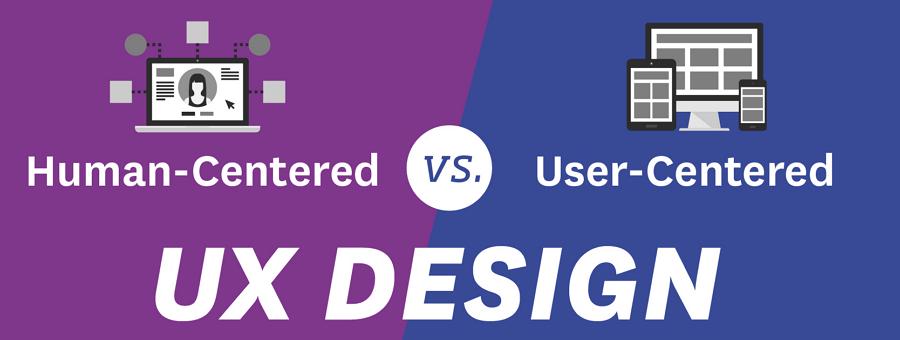
In today’s digital world, a website is often the first interaction customers have with a brand. While aesthetics and technology play an important role, the true success of a website depends on how well it serves its users. A user-centered website design prioritizes the needs, goals, and experiences of visitors, ensuring that every element, from navigation to content, is intuitive, accessible, and meaningful.
Instead of designing around assumptions or business preferences, user-centered design is built around real users and their behaviors. Let’s explore what makes a website design truly user-centered and how it can transform the way people engage with your brand.
1. Deep Understanding of the Target Audience
The foundation of user-centered design begins with understanding your target audience. Before designing anything, it’s essential to know who your users are, what they’re looking for, and how they interact with websites. Conducting user research, including surveys, interviews, and analytics reviews, helps uncover your audience’s demographics, needs, motivations, and pain points.
Creating user personas, fictional representations of your ideal customers allow you to design experiences that speak directly to their goals. For example, an e-commerce site aimed at busy professionals should emphasize speed and convenience, while an educational site for students might focus on clarity and interactivity. When you design for real people rather than assumptions, you build a stronger connection and deliver a more relevant experience. Enhance your online presence with professional web designers who create user-centered websites focused on performance, accessibility, and seamless navigation.
2. Clear and Intuitive Navigation
Navigation is one of the most important aspects of user-centered web design. If visitors can’t find what they’re looking for quickly, they’re likely to leave. A clear and intuitive navigation structure ensures users can move through your website seamlessly without confusion. Menus should be logically organized with easily recognizable labels. Limit the number of main menu items to keep navigation simple and clutter-free.
Additionally, including a search bar allows users to locate specific information faster. Consistency in placement, such as keeping the navigation bar at the top or side across all pages, also enhances usability. Remember, your visitors shouldn’t have to think too hard about where to go next, good design naturally guides them there.
3. Responsive and Mobile-Friendly Design
With mobile devices accounting for the majority of web traffic, a responsive website design is non-negotiable. A user-centered website automatically adjusts its layout, images, and text for different screen sizes, ensuring a smooth experience on smartphones, tablets, and desktops alike. Mobile users should be able to navigate menus, fill out forms, and access information without pinching or zooming.
Fast loading times are also crucial, studies show that most users abandon websites that take more than a few seconds to load. By optimizing your design for mobile responsiveness and performance, you not only enhance user satisfaction but also improve your SEO rankings, as Google favors mobile-friendly websites in search results.
4. Accessibility for All Users
A truly user-centered design is inclusive and considers users of all abilities. Website accessibility means ensuring that people with visual, auditory, or motor impairments can interact with your site effectively. This includes adding alternative text for images, providing captions for videos, using readable fonts and sufficient color contrast, and enabling keyboard navigation.
Following accessibility standards such as WCAG (Web Content Accessibility Guidelines) helps make your website usable for everyone. Accessibility isn’t just about compliance, it’s about empathy. When you design inclusively, you not only reach a wider audience but also demonstrate your brand’s commitment to equality and respect for all users.
5. Focus on Readability and Engaging Content
Content is at the heart of user experience. A user-centered website focuses on clarity, readability, and engagement rather than overwhelming visitors with jargon or lengthy paragraphs. Use short sentences, clear headings, and bullet points to make information easy to scan.
Choose fonts that are legible on all devices and maintain adequate spacing between lines and paragraphs. Visual hierarchy, using different text sizes and colors that helps guide users’ attention to the most important information. Additionally, include relevant images, infographics, and videos to make your content more engaging. The goal is to communicate value quickly and effectively so users can easily absorb the information they came for.
6. Fast Loading Speed and Smooth Performance
Users expect websites to load instantly. A delay of even a few seconds can frustrate visitors and increase bounce rates. A user-centered design ensures optimal site speed by minimizing unnecessary elements and optimizing images, scripts, and plugins. Using caching, a Content Delivery Network (CDN), and efficient coding practices can further boost performance.
Every second counts in user experience, a fast website not only keeps visitors engaged but also enhances search rankings. Remember, performance is a design feature, not an afterthought. Prioritizing speed shows that you respect your users’ time, which is a key element of user-centered design.
7. Visual Design that Enhances Usability
While aesthetics is important, user-centered design focuses on function over decoration. A visually appealing layout should also support usability and guide users naturally through the site. Use consistent color schemes, typography, and design patterns that align with your brand identity.
Employ white space strategically to create a clean and uncluttered look, allowing users to focus on essential content without distractions. Highlight calls-to-action (CTAs) using contrasting colors and clear labels such as “Sign Up,” “Get Started,” or “Contact Us.” Visual cues like arrows, icons, and hover effects can subtly direct users’ attention. A balanced combination of beauty and functionality makes your design both attractive and effective.
8. Continuous Testing and User Feedback
A user-centered website is never truly “finished.” Continuous improvement is key to maintaining an exceptional user experience. Conduct usability testing to observe how real users interact with your site and identify areas of confusion or friction. Use tools like heatmaps, session recordings, and A/B testing to understand user behavior and test different design variations.
Additionally, invite feedback through surveys or feedback forms to gain direct insights into what users like or dislike. Analyzing this data allows you to make informed decisions and evolve your website over time. The best designs are based on evidence, not guesswork, and evolve with user needs.
9. Prioritizing Clear Calls-to-Action (CTAs)
A user-centered website guides visitors toward meaningful actions, whether that’s making a purchase, signing up for a newsletter, or booking a consultation. Clear and well-placed calls-to-action (CTAs) are crucial in achieving this. Your CTAs should be concise, visually distinct, and strategically positioned throughout the site.
Avoid generic buttons like “Click Here”; instead, use action-oriented phrases such as “Get a Free Quote” or “Start Your Trial.” Make sure CTAs are accessible on both desktop and mobile versions. When users always know what to do next, the website becomes more intuitive, increasing engagement and conversion rates.
10.Empathy and Emotional Design
At its core, user-centered design is about empathy, understanding how users feel when they interact with your website. Emotional design involves creating experiences that make users feel confident, supported, and valued. Use friendly language, personalized content, and human-centered visuals that evoke trust and positivity.
Even small details, like thank-you messages after a form submission or progress indicators during checkout, can enhance emotional connection. When users feel understood and cared for, they’re more likely to stay loyal and recommend your brand to others. Our team of professional web designers ensures every element of your site is crafted to deliver an engaging and intuitive user experience that drives results.
Final Thoughts
A user-centered website design goes beyond aesthetics; it’s about creating a meaningful experience that meets users’ needs while achieving business goals. From understanding your audience and ensuring accessibility to optimizing speed and encouraging feedback, every element contributes to a smoother, more enjoyable journey. When users can easily find information, navigate intuitively, and connect emotionally with your brand, they’re more likely to return and engage. Ultimately, user-centered design is not a one-time task but a continuous process of listening, testing, and improving. By putting users at the heart of your design decisions, you build not just a website, but an experience that resonates, performs, and succeeds in today’s competitive digital world.
 London Web designer Site
Leave a comment