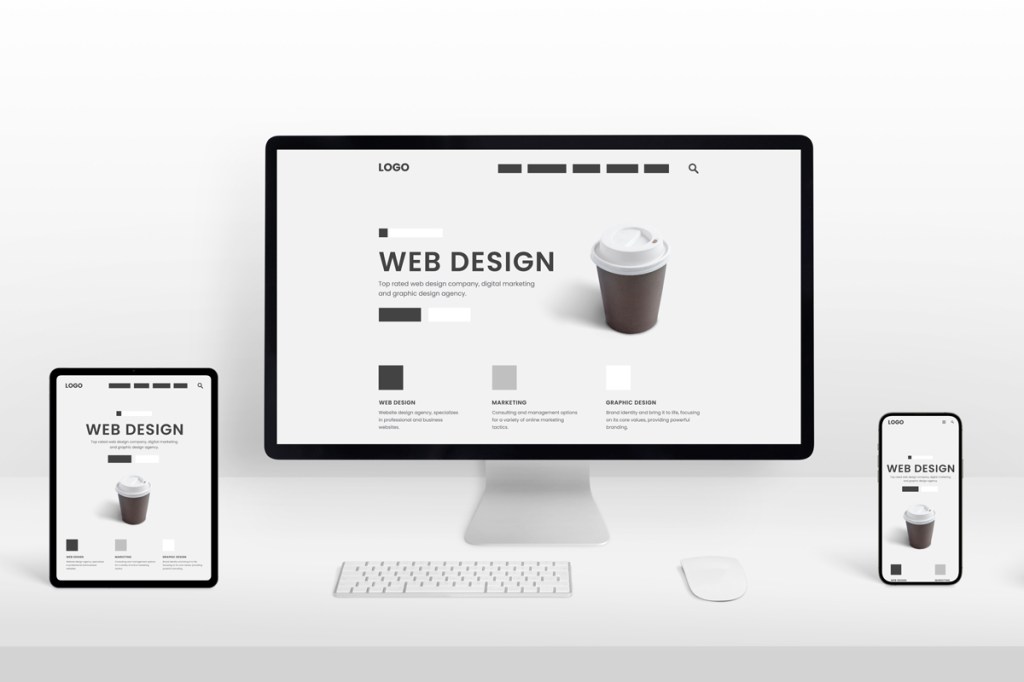
In today’s fast-moving digital world, your website is more than just an online presence, it is the core of your brand identity, the engine of your conversions, and the first impression most customers form about your business. But as user expectations evolve, technologies advance, and competitors improve their online experiences, a static website quickly becomes outdated. This is where regular website redesigns and UI/UX audits play a powerful role. They help ensure your website remains modern, user-friendly, search-engine-optimized, and aligned with current digital behaviour. A website that looked impressive two years ago may now feel slow, cluttered, or visually behind the trends, ultimately affecting your traffic, engagement, and conversions.
A redesign is not simply about refreshing colors or layouts, it is a strategic move to enhance usability, strengthen brand credibility, improve performance, and address shifting user needs. UI/UX audits, on the other hand, work as diagnostic tools that reveal exactly what’s working, what’s not, and what needs to improve to elevate the user’s journey. Businesses that invest consistently in these updates create stronger brand trust, maintain competitive relevance, and deliver an exceptional digital experience.
1. To Keep Up with Changing User Expectations
User behavior changes rapidly. What was once considered a modern interface may now appear outdated or difficult to navigate. People expect websites to load instantly, respond smoothly, guide them intuitively, and deliver information in the cleanest, most efficient way. With short attention spans and high digital expectations, users do not tolerate confusing layouts, slow pages, or complicated menus.
Regular redesigns allow your website to evolve with these expectations by incorporating modern UX practices such as minimal design, clear CTAs, intuitive navigation, white space usage, and improved mobile responsiveness. Without these improvements, users may abandon your site and shift to competitors offering a smoother experience.
2. To Improve User Experience and Reduce Bounce Rates
A UI/UX audit helps uncover friction points that disrupt the user journey. These could include unclear navigation, overly long forms, poor readability, lack of accessibility, outdated fonts, or distracting visual clutter. When these issues remain unaddressed, users leave quickly, resulting in high bounce rates and lower conversions.
Redesigning your website with these insights enhances the overall user experience by improving speed, simplifying navigation, and ensuring content is easy to digest. A streamlined experience encourages users to stay longer, explore more pages, and ultimately convert. If you’re looking to elevate your online presence with a modern, high-performing website, partnering with experienced web designers in London can help you achieve a professional and impactful digital identity.
3. To Boost Search Engine Rankings
Search engines like Google prioritize websites that deliver excellent user experiences. That means mobile responsiveness, faster loading speeds, clean structure, and updated content all contribute to better rankings. If your website is slow, outdated, or poorly optimized, it can drop significantly in search results.
Regular redesigns ensure your website meets search engine standards, while UI/UX audits help optimize all on-page elements from navigation flow to content structure to support better visibility. A redesigned site also allows you to implement modern SEO practices such as schema markup, optimized media, improved page hierarchy, and engaging content formats.
4. To Strengthen Brand Image and Professional Credibility
Your website is often the first-place customers experience your brand. If the design looks outdated, inconsistent, or poorly structured, it creates a negative impression and raises doubts about your professionalism. Businesses evolve over time, and your website must represent your current services, messaging, and values.
A regular redesign keeps your brand fresh, cohesive, and aligned with your evolving identity. It ensures your colors, typography, tone, imagery, and messaging reflect authenticity and professionalism. A visually modern and polished website builds trust instantly, making visitors feel confident in choosing your brand over competitors.
5. To Enhance Mobile Responsiveness and Multi-Device Compatibility
More than 60% of users browse websites through mobile devices, making mobile responsiveness essential for every business. However, technologies and device sizes constantly change, meaning a website that once worked perfectly on mobile may not perform the same today.
A redesign ensures your website adapts seamlessly to all screen sizes, from smartphones and tablets to large desktop displays. UI/UX audits further highlight mobile-specific issues like layout shifts, button sizes, thumb reach zones, spacing, and loading performance. A mobile-friendly design improves user satisfaction, boosts SEO, and increases conversions.
6. To Integrate Modern Features and Technologies
Digital trends evolve constantly, such as chatbots, micro-interactions, animations, dark mode, voice search integration, faster frameworks, and advanced CMS platforms. Without regular updates, your website misses opportunities to deliver interactive, efficient, and engaging experiences.
Redesigning your site allows you to integrate new technologies that enhance user engagement and improve functionality. This could include better security features, modern design frameworks, advanced filtering for e-commerce sites, or seamless integrations with CRM systems.
7. To Improve Website Performance and Speed
Website speed plays a major role in user experience and SEO. Even a one-second delay can significantly reduce conversions. Older websites tend to accumulate outdated scripts, oversized media files, slow servers, and inefficient code structures over time.
A redesign improves speed by optimizing code, compressing media, adopting lightweight frameworks, and removing clutter. A UI/UX audit identifies performance bottlenecks and ensures your site loads quickly on all devices. Faster websites keep users engaged, reduce bounce rates, and improve search visibility.
8. To Stay Ahead of Competitors
Competitors continuously upgrade their websites to deliver better experiences, stronger visuals, and more efficient navigation. If your website stays the same for years, it gradually becomes less attractive compared to modern alternatives.
Regular redesigns allow you to stand out, introduce innovative features, and offer a superior experience that gives you a competitive advantage. A UI/UX audit reveals exactly where your competitors outperform you, helping you realign your strategy and regain your edge.
9. To Support Better Conversions and Sales
Ultimately, the goal of website redesigns and UI/UX audits is to improve your conversion rate. Whether you want more leads, more inquiries, or more purchases, improving the user journey creates a direct impact.
Redesigns help optimize CTAs, restructure service pages, enhance product displays, simplify checkout processes, and create visually compelling landing pages. With a friction-free design, users move smoothly through the conversion funnel, boosting your revenue and long-term growth.
Conclusion
Regular website redesigns and UI/UX audits are essential for maintaining a strong digital presence in an ever-evolving online environment. They help improve user experience, strengthen brand credibility, boost performance, enhance SEO, and keep your business competitive. By consistently optimizing your website’s design, functionality, and structure, you provide visitors with a seamless and enjoyable experience that encourages trust and conversion. A well-maintained website not only supports your growth today but also prepares your brand for the future, ensuring you remain relevant and impactful in your industry.
 London Web designer Site
Leave a comment