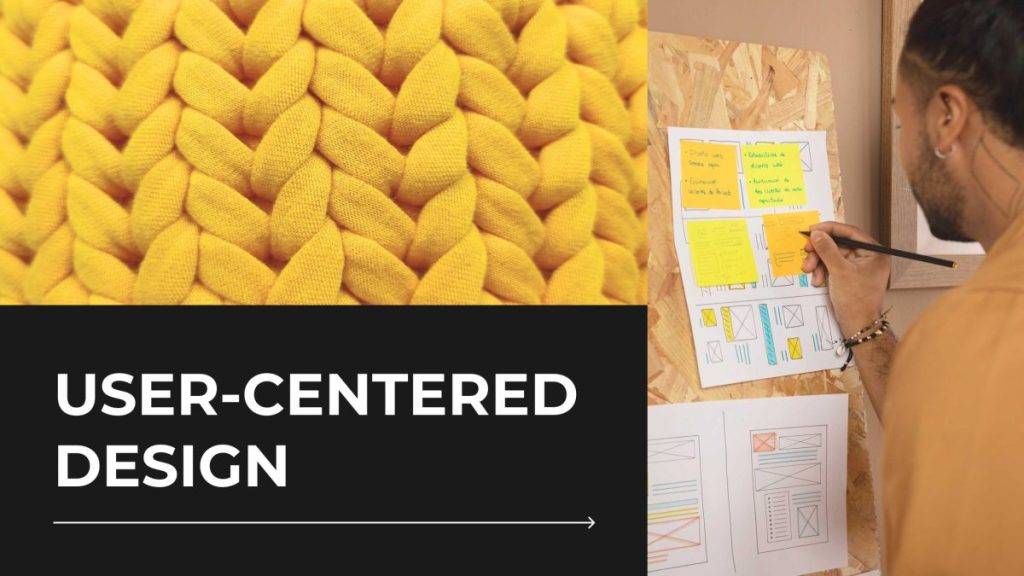
In today’s digital landscape, a website isn’t just an online brochure, it’s the core of your brand identity, customer experience, and business growth. However, even the most visually stunning websites can fail if they don’t put users first. That’s where user-centered design (UCD) comes in. A truly user-centered website is built around the needs, behaviors, and expectations of its visitors, ensuring they find what they’re looking for quickly and effortlessly.
But what exactly makes a website design user-centered? Let’s explore the key principles, features, and practices that transform an ordinary website into one that’s intuitive, engaging, and user-focused.
1. Understanding User Needs and Behavior
At the heart of user-centered design lies a deep understanding of your audience. Before creating a single layout or wireframe, it’s crucial to know who your users are and what they expect from your website. Start by conducting user research, this could include surveys, interviews, heatmaps, and analytics reviews. Learn about your users’ goals, pain points, and browsing habits.
For example, an e-commerce shopper wants a fast checkout process, while a B2B client might prioritize detailed service information and case studies. When you design with real data instead of assumptions, you can create experiences that resonate. The goal is simple: make it easy for users to accomplish what they came for, without confusion or unnecessary steps.
2. Simple and Intuitive Navigation
Navigation is one of the most critical aspects of a user-centered website. Visitors should never struggle to find what they need. If users have to think too hard about where to click next, you risk losing them to frustration and eventually, to competitors.
A user-friendly navigation system should be:
- Clear and consistent: Use straightforward labels like Home, Services, About, and Contact.
- Predictable: Place menus where users expect to find them, usually at the top or side of the page.
- Concise: Avoid overloading menus with too many options. Group related pages under logical categories.
- Searchable: Include a visible search bar for quick access to information.
Good navigation allows users to move through your website smoothly, improving both user satisfaction and engagement. Skilled professional web designers focus on creating user-centered websites that deliver seamless experiences across all devices.
3. Mobile Responsiveness and Accessibility
In an era where more than half of web traffic comes from mobile devices, designing for all screen sizes is non-negotiable. A responsive website design automatically adapts to different devices—whether it’s a smartphone, tablet, or desktop, without compromising functionality or aesthetics.
Beyond responsiveness, accessibility is another vital part of a user-centered approach. Your website should be usable by everyone, including individuals with disabilities. This means following Web Content Accessibility Guidelines (WCAG), such as:
- Using readable font sizes and high-contrast colors.
- Adding alt text to images for screen readers.
- Ensuring buttons and links are easy to tap or click.
- Avoiding auto-play elements that disrupt the user experience.
A truly user-centered website is one that welcomes every visitor, regardless of their device or ability.
4. Fast Loading Speed
Nothing drives users away faster than a slow website. In fact, studies show that if a page takes more than three seconds to load, more than half of users will abandon it. Speed directly impacts both user experience and SEO rankings, making it a critical component of user-centered design.
To improve your website’s loading speed:
- Compress large image files without losing quality.
- Use caching and a reliable hosting provider.
- Minimize the use of unnecessary scripts or plugins.
- Implement lazy loading for media-heavy pages.
A fast, seamless experience shows users that you respect their time—a key principle of good design.
5. Visual Hierarchy and Readability
A visually appealing website isn’t just about color and graphics—it’s about structure. Visual hierarchy refers to the arrangement of elements in a way that naturally guides users’ attention to what matters most. Use size, contrast, and spacing to highlight important information such as headlines, calls to action (CTAs), and key services.
For example, a bold headline and a brightly colored CTA button can draw the eye toward your desired action, whether that’s filling out a form or making a purchase. Readability also plays a major role. Break up text into short paragraphs, use bullet points for clarity, and maintain plenty of white space. When content is easy to read, users stay longer and absorb more information, two strong signals of a positive user experience.
6. Engaging and Relevant Content
Design and content go hand in hand. A visually stunning layout means little if the content isn’t valuable to your audience. A user-centered website provides content that educates, engages, and solves problems.
Ask yourself: does your content answer the questions your users are asking? Is it written in a tone that matches your audience’s preferences?
Here’s how to create user-focused content:
- Write clear, concise, and actionable copy.
- Include visuals, such as infographics or videos to simplify complex information.
- Update outdated articles and remove irrelevant content.
- Ensure that every page has a clear purpose and adds value.
When visitors find helpful, relevant content, they are more likely to trust your brand and return in the future.
7. Strong Calls to Action (CTAs)
A user-centered design guides visitors toward meaningful actions, whether it’s signing up for a newsletter, booking a consultation, or purchasing a product. This is where calls to action play a crucial role.
Effective CTAs should be:
- Visible: Place them where users naturally look, such as above the fold or at the end of a section.
- Compelling: Use action-oriented phrases like “Get Started,” “Request a Quote,” or “Join Now.”
- Consistent: Maintain design elements, like button colors and font styles throughout the website.
When designed well, CTAs create a seamless path for users to follow, helping them move from interest to conversion without hesitation.
8. Continuous Testing and Improvement
User-centered design doesn’t end once your website goes live, it’s an ongoing process. Continuous testing ensures your website evolves with changing user expectations and behaviors. Conduct regular A/B tests to compare different layouts, headlines, or button designs. Analyze data from Google Analytics to track user flow, bounce rates, and conversion metrics.
Encourage user feedback through surveys or chat support to identify pain points and improvement areas. By continuously refining your design based on real user data, you can maintain a website that remains effective, relevant, and enjoyable to use. By collaborating with professional web designers, businesses can ensure their website not only looks great but also prioritizes user needs for maximum engagement.
9. Building Trust Through Design
A truly user-centered website builds trust through consistency, transparency, and professionalism. Elements like a clear privacy policy, visible contact information, testimonials, and secure HTTPS connections all contribute to a trustworthy online presence.
Small details, like clean layouts, quality visuals, and honest messaging, signal credibility to visitors. When users feel confident in your website, they’re more likely to engage with your brand and convert into loyal customers.
Conclusion
User-centered website design is about more than aesthetics, it’s about empathy, functionality, and purpose. It means stepping into your users’ shoes and designing experiences that meet their needs effortlessly. From intuitive navigation and fast load times to accessible design and meaningful content, every decision should enhance usability and satisfaction. When users enjoy interacting with your website, they stay longer, engage more deeply, and are more likely to take action. That’s the true measure of a successful, user-centered design. If you’re looking to create a website that connects with your audience and drives measurable results, working with professional web designers can help you bring your vision to life through thoughtful, user-focused strategies.
 London Web designer Site
Leave a comment